Possible warranty concern
A concern may need warranty review when it appears connected to the original fabricated work or installation and falls within the applicable project terms.

When a custom railing, stair, gate, door, canopy or architectural metal feature is not performing as expected, the right first step is a clear review of the original scope and current condition. We help Seattle, Washington and Oregon clients document concerns, separate maintenance from repair needs and identify the most practical path forward.
Start by sending the project address, installation date, photographs, a short description of the concern and any recent site changes. Warranty coverage cannot be confirmed from a photograph alone, but complete information helps determine whether the issue relates to fabrication, installation, maintenance, normal wear, damage or surrounding conditions.
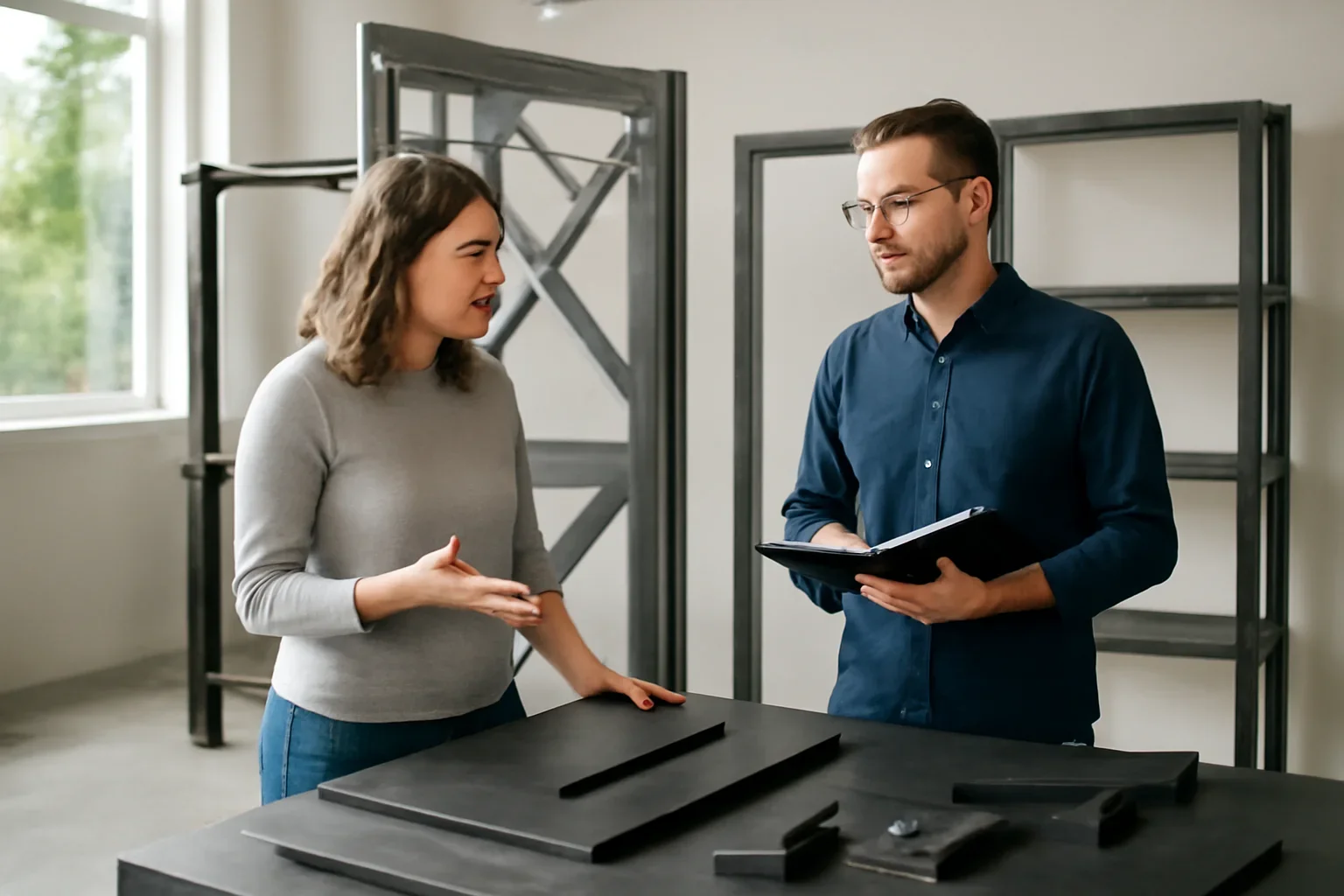
Similar symptoms can come from different conditions. A useful support review looks beyond the visible mark, movement or finish change and considers how the feature was fabricated, installed, used and maintained.
A concern may need warranty review when it appears connected to the original fabricated work or installation and falls within the applicable project terms.
Dirt, moisture, cleaning products, salt, plant contact and neglected upkeep can affect painted, powder-coated, stainless and naturally weathering surfaces.
Gates, doors, hinges, latches and other moving parts can require adjustment or repair after repeated use, impact, settlement or changes around the installation.
Movement in concrete, framing, waterproofing, landscaping, flooring or adjacent construction can change how an installed metal feature fits or performs.
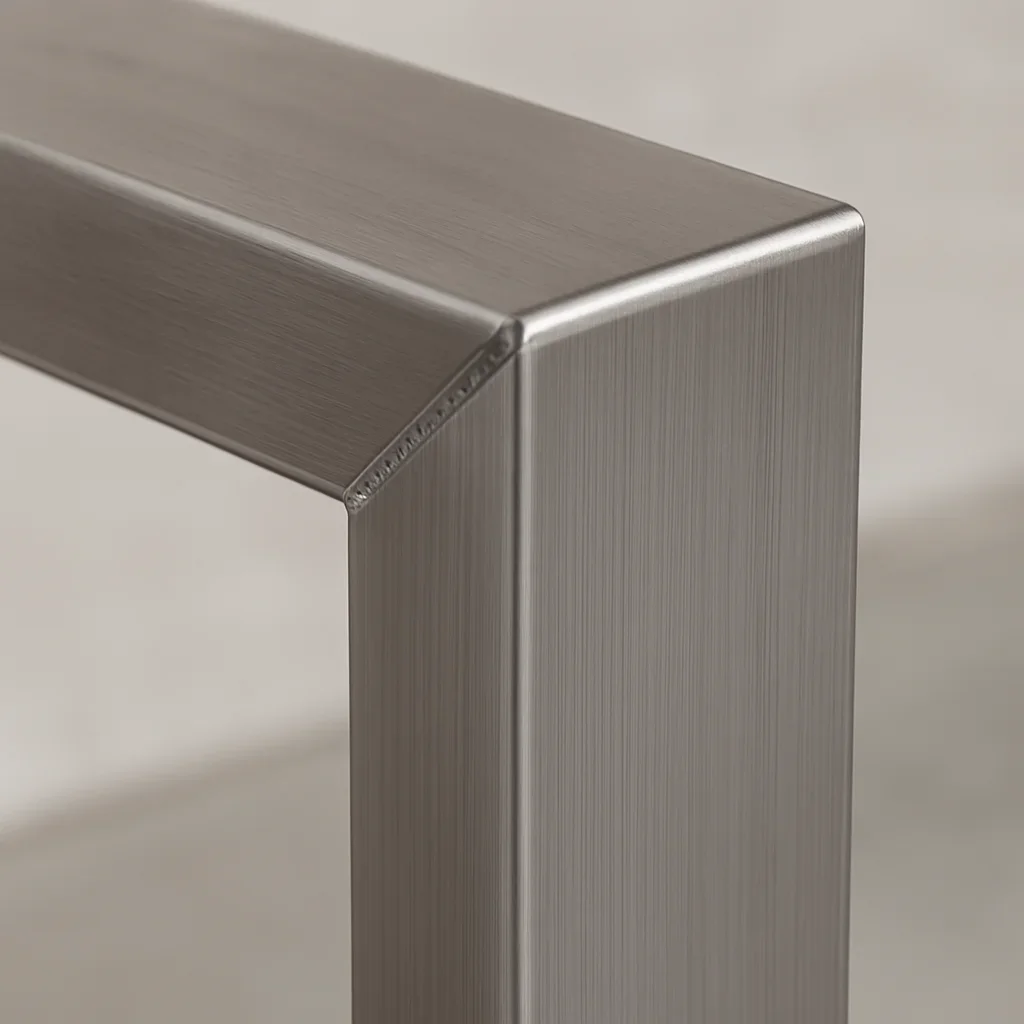
Exterior custom metalwork in Seattle and the wider Pacific Northwest regularly experiences rain, extended damp periods, organic debris and seasonal temperature changes. Properties near saltwater, road spray or exposed urban corridors may face additional surface stress.
These conditions do not automatically indicate a fabrication defect. The review may need to consider drainage, cleaning frequency, coating damage, contact with dissimilar materials, trapped moisture, landscaping, de-icing products and changes to adjacent construction.
Staining, light oxidation, dirt accumulation and coating wear may require cleaning or finish maintenance. Movement, broken connections, sharp edges or instability should be treated more urgently.
Review the Finish & Maintenance Guide before applying cleaners, abrasives, touch-up products or other treatments.
A structured review helps avoid assumptions and makes it easier to determine whether the next step can be handled remotely or requires an on-site assessment.
Share the address, installation date, feature type, photographs, concern description and any available proposal or project reference.
Available drawings, finish selections, installation responsibilities and project records are compared with the reported condition.
The concern is considered in relation to fabrication, installation, use, maintenance, impact, weather exposure and surrounding site changes.
The response may include maintenance guidance, additional documentation, an assessment, a repair recommendation or a warranty determination.
Clear documentation can shorten the initial review and reduce repeated questions. You do not need to diagnose the cause yourself.
Attempts to hide, modify or repair the condition can make the original cause harder to assess and may affect available options.
When immediate action is required to protect people or property, document the condition first when it is safe to do so. Keep records of any temporary work, contractor involvement and replaced materials.
The review connects the visible condition to the original project records, site history and responsibilities defined when the work was approved.
These resources can help you understand maintenance, review previous project work or contact the team with a documented support request.
Review practical care considerations for painted, powder-coated, stainless and other custom metal finishes.
View maintenance guidanceSend the project location, photographs, installation timing and a description of the warranty or repair concern.
Start a support requestExplore completed fabrication projects, design approaches, materials and installed architectural metalwork.
View case studiesSee how consultation, drawings, fabrication, finishing and installation planning connect throughout a project.
Review our processLearn about custom fabricated metalwork support for Seattle homes, commercial properties and architectural projects.
View Seattle servicesReview regional service coverage for custom metal fabrication, assessment and project support.
View service areasThese answers explain how common custom metalwork concerns are documented and reviewed.
Contact the team with the project address, installation date, photographs, a description of the concern and any available project reference. Include when the condition first appeared and whether there were recent site changes, impacts or maintenance work.
No. Coverage depends on the project-specific warranty terms, original scope, timing and cause. Normal wear, maintenance needs, impact, misuse, third-party modifications and changes to surrounding construction may require a separate repair or maintenance path.
Photographs can help with initial triage, but they may not confirm the full cause. Additional measurements, project records, maintenance details or an on-site assessment may be needed before responsibility or repair scope can be determined.
Yes. Rain, damp conditions, salt exposure, road spray, debris, cleaning products and trapped moisture can affect exterior metalwork. Appropriate maintenance depends on the material, finish system, exposure and manufacturer guidance.
It may be possible, depending on the condition, materials, access, safety, location and availability of compatible components. Repair of work outside the original project scope would normally be reviewed as a separate service rather than warranty work.
Stop using the affected feature and prevent access where practical. Do not force, modify or disassemble it. Contact the team with clear photographs and explain that the concern may affect safety so the request can be reviewed appropriately.
Send the project location, photographs, installation timing and a short description of the concern. We will use the available information to help identify whether the next step is maintenance guidance, repair assessment, an on-site review or a warranty determination.