
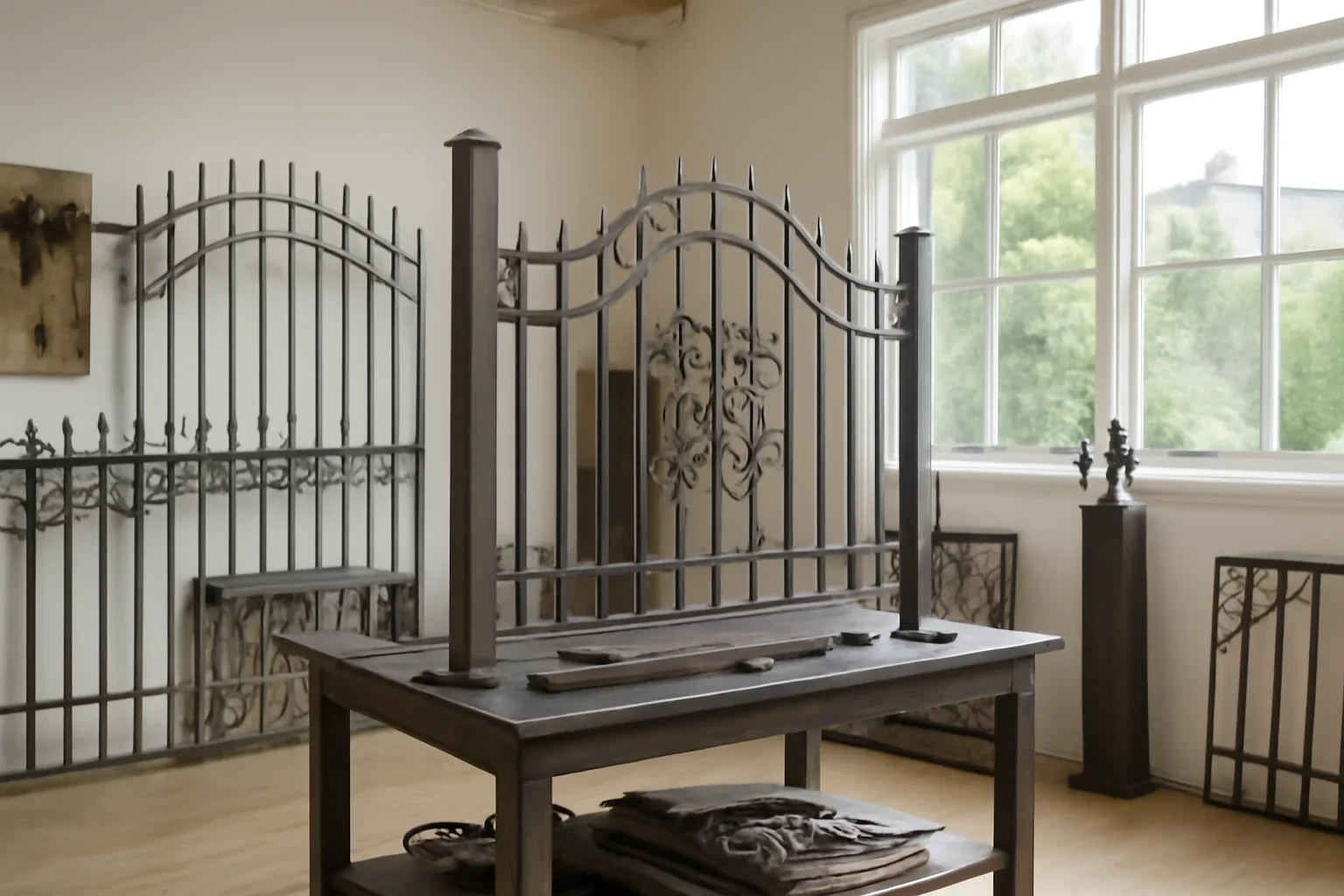
Decorative metal fences in Seattle

Custom metal fencing designed for privacy, security and architecture

Metal Fabrications creates decorative metal fences, privacy screens and perimeter systems for Seattle homes, commercial properties and design-led outdoor spaces. Every fence is planned around the property line, grade changes, sightlines, access points, desired openness and surrounding architecture.

  • Residential and commercial fencing
  • Privacy and open-view designs
  • Fence and gate coordination
  • Seattle-area field planning
Decorative metal fence planning with architectural drawings and fabricated metal samples
Planning a fence for a sloped or irregular property? Send site photos, approximate lengths, gate locations and the level of privacy or openness you want.
  • Privacy Balance Open, semi-private or screened designs
  • Site Fit Grade, corners and boundary conditions
  • Gate Coordination Pedestrian and driveway access planning
  • Finish Durability Exterior exposure and maintenance planning
Built around the property

A fence should solve the boundary without fighting the building

Decorative metal fencing can define outdoor space, guide movement, improve privacy and create a more finished property edge. It should also relate to the home, landscape or commercial building instead of reading as an unrelated barrier.

The design begins with how the property is used. A front-yard fence may need visibility and curb appeal, while a side yard, patio or service area may need stronger screening. Grade changes, walls, planting, gates and neighboring conditions can change the fabrication approach from one section to the next.

  • Fence height and openness planned around privacy and sightlines
  • Panels and posts laid out around real property conditions
  • Gate openings coordinated with walkways, driveways and access needs
  • Materials and finishes selected for long-term exterior exposure
  • Visible welds, fasteners, transitions and terminations resolved before fabrication
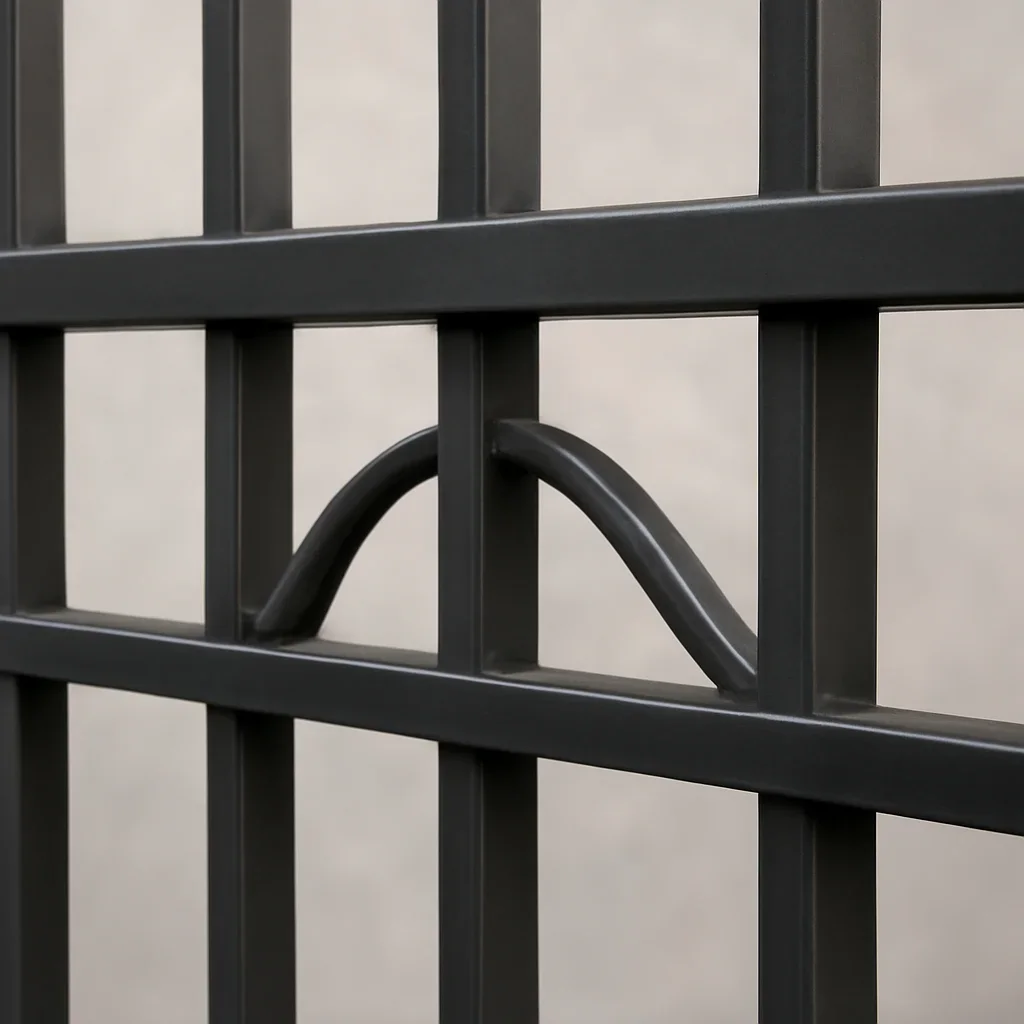
Close view of decorative metal fence panels showing clean fabrication, spacing and exterior finish
Common fence applications

Custom fencing for boundaries, privacy and outdoor circulation

Custom fabrication allows each section of fencing to respond to the property instead of forcing the same standard panel into every condition.

01

Residential Property Fencing

Custom front, side and rear-yard fencing designed to define the property while supporting curb appeal, visibility and daily use.

Explore Residential Fabrication
02

Metal Privacy Screens

Screen panels for patios, decks, outdoor rooms, equipment zones and side yards that need separation without feeling completely enclosed.

Discuss a Privacy Screen
03

Commercial Perimeter Fencing

Architectural boundary systems for offices, multifamily properties, storefronts and shared exterior spaces where appearance and access control both matter.

Explore Commercial Fabrication
04

Decorative Boundary Features

Custom panels, garden divisions, courtyard enclosures and sculptural property elements that define space without creating a conventional fence line.

Explore Bespoke Metalwork
Choose the level of openness

Privacy does not have to mean a solid wall

Panel spacing, orientation, pattern and material can control how much light, air and visibility pass through the fence.

Open design

Visibility and boundary definition

Open vertical pickets, horizontal rails or framed patterns can define the property while maintaining views, daylight and a lighter street-facing appearance.

  • Front yards and visible property edges
  • Garden and landscape boundaries
  • Areas where natural surveillance matters
  • Properties where views should remain open
High-privacy design

Stronger separation for selected areas

Solid or nearly solid panels can create stronger visual separation around service zones, equipment, private courtyards and areas that need controlled access.

  • Utility and equipment screening
  • Private courtyards and side entries
  • Commercial service areas
  • Targeted screening rather than the entire property
Seattle property realities

The site often determines the fence more than the drawing does

Seattle-area fence projects can involve sloped lots, narrow side yards, retaining walls, mature landscaping, alley access and different elevations between neighboring properties. These conditions should be reviewed before panel sizes and post locations are finalized.

  • Step or follow panels carefully across changing ground elevations
  • Review how posts relate to retaining walls, concrete and existing hardscape
  • Preserve usable gate openings on narrow side yards and alleys
  • Account for drainage paths, soil conditions and planting zones
  • Consider sightlines near driveways, sidewalks and street-facing corners
  • Confirm project-specific height, setback, permit or approval requirements before fabrication
Design and fabrication decisions

What needs to be resolved before custom fencing is fabricated?

A fence may repeat across a long distance, which means small spacing or alignment issues can become highly visible. Clear dimensions and transition details help keep the finished system consistent.

  • Overall fence length and section changes
  • Panel width, post spacing and repeating pattern
  • Fence height and privacy level by area
  • Top alignment across sloped or stepped ground
  • Post base, footing or wall-attachment conditions
  • Pedestrian and driveway gate locations
  • Latch, hinge and automation coordination
  • Steel, aluminum, stainless or mixed-material construction
  • Exterior coating, color and maintenance expectations
Fence and gate coordination

Plan the moving parts with the fixed fence

Gates introduce loads, clearances, hardware and daily movement into the fence system. Their width, swing direction and support posts should be coordinated before adjacent panels are fabricated.

  • Pedestrian gates aligned with paths, stairs and entry routes
  • Driveway gates sized around vehicle access and available movement
  • Hinges, latches, stops and access controls selected for the use
  • Stronger gate posts planned where additional support is required
  • Panel patterns continued across the gate for a unified appearance
How the work moves forward

A clearer path from property photos to fabricated fencing

Reviewing the site, layout and gate conditions before production helps reduce field changes and keeps repeating details consistent.

  1. Share the site and priorities

    Send property photos, approximate lengths, gate locations and the desired level of privacy, visibility or security.

  2. Review layout and conditions

    The team reviews grade changes, walls, access, panel direction, post locations and surrounding property features.

  3. Develop the fence details

    Panel spacing, dimensions, gates, attachments, materials and finish direction are clarified before fabrication.

  4. Fabricate and coordinate installation

    After approval, fabrication, finishing, delivery and the installation sequence are planned around the property.

Material and finish planning

Exterior fencing needs a finish strategy, not just a color

Material, coating, drainage and maintenance expectations should be considered together, especially around horizontal surfaces, connections and areas close to soil or landscaping.

01

Steel Fence Systems

Steel supports slim profiles, custom patterns and strong gate coordination. Exterior preparation and coating details are an important part of the system.

Explore Steel Fabrication
02

Aluminum and Mixed Materials

Aluminum or mixed-material panels may suit projects where lower weight, corrosion considerations or integration with wood and other exterior materials matter.

Review Material Options
03

Finish and Maintenance Planning

Powder coating, painted systems and project-specific finishes should be selected around exposure, desired appearance and realistic maintenance expectations.

Review Finish Maintenance
Helpful answers

Decorative metal fence FAQs

Answers for Seattle homeowners, builders, architects and property teams planning custom fencing.

Can decorative metal fencing include matching gates?

Yes. Many projects are designed as coordinated fence and gate systems. Planning them together helps align panel spacing, posts, hinges, latches, clearances, finishes and repeating design details.

Can a metal fence provide privacy without being completely solid?

Yes. Semi-private fencing can use closely spaced slats, staggered panels, angled elements, perforated metal or custom patterns to reduce direct views while maintaining some light and airflow.

Can custom fencing be installed on a sloped property?

Yes. Fence panels can be stepped, adjusted or developed around changing elevations. The best approach depends on the slope, desired top alignment, panel pattern, retaining walls and gate locations.

Do I need a property survey before requesting a quote?

A survey is not always required for an initial conversation, but the correct property line and any relevant easements or restrictions should be confirmed before final placement and installation decisions are made.

Does decorative fencing require a permit?

Requirements can vary according to fence height, location, property type, corner conditions, retaining walls and local jurisdiction. Project-specific requirements should be reviewed before fabrication begins.

Is decorative metal fencing difficult to maintain?

Maintenance depends on the material, coating, exposure and surrounding conditions. Periodic cleaning and inspection of damaged coating, connections and areas near landscaping can help preserve the finish.

Can the fence match existing railings or exterior metalwork?

In many cases, yes. Panel profiles, colors, finishes and visible details can be coordinated with existing gates, railings, doors, screens or other architectural metalwork. Photos and finish information are helpful during planning.

How much does a custom decorative metal fence cost?

Cost depends on total length, fence height, panel design, material, finish, number of gates, grade changes, post and footing conditions, drawings and installation access.

What should I send with a fence quote request?

Send the project location, photos of the proposed fence line, approximate length, desired privacy level, gate locations and any available survey, landscape plan or design inspiration.

Start your fence project

Turn your property needs into a clear fence plan

Share the project location, fence-line photos, rough length, gate locations and the level of privacy or openness you want. We will review the information and help identify the most useful next step.

Include photos of slopes, retaining walls, gates and other conditions that may affect the fence layout.

Decorative metal fence consultation with site drawings, finish samples and material selections