Seattle metal fabrication preconstruction

Design-assist preconstruction for better metalwork decisions

Design-assist brings fabrication input into the project while plans, dimensions, finishes and sequencing can still be adjusted. It helps owners, architects, designers and builders identify practical questions earlier and carry a clearer direction into drawings, approvals and custom metal fabrication.

  • Early feasibility review
  • Design-team coordination
  • Site and sequencing input
  • Residential and commercial work
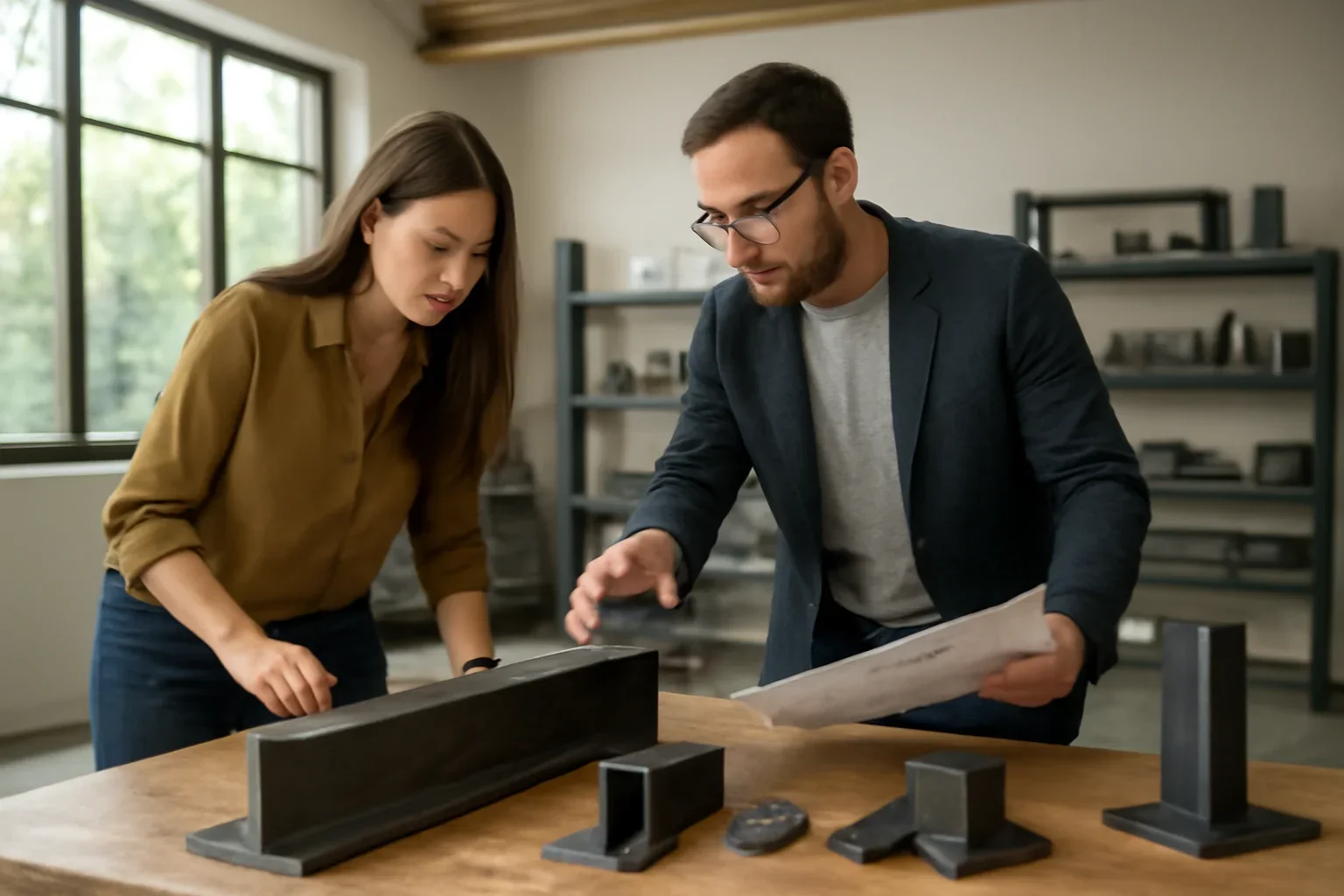
Architect, builder and metal fabrication team reviewing drawings and material options during preconstruction
Planning custom metalwork before the details are fixed? Share the current drawings, project location, schedule and design goals so potential fabrication and coordination issues can be discussed earlier.
  • Earlier Input Discuss fabrication before details are locked
  • Clearer Scope Identify assumptions and missing information
  • Better Coordination Connect design, construction and fabrication
  • Practical Handoffs Carry decisions into drawings and production
Fabrication knowledge earlier in the project

Solve important questions while the project still has flexibility

Custom metalwork sits between architectural intent, structural conditions, site realities, finishing requirements and installation sequencing. When fabrication input arrives only after the design is substantially complete, even a small conflict can lead to avoidable redesign or difficult site coordination.

Design-assist creates an earlier working conversation. The fabrication team can review the proposed metalwork, explain where more information may be needed and help the project team evaluate options before the direction is carried into detailed drawings and production.

  • Review the intended feature, appearance and project priorities
  • Identify possible dimensional, material or access constraints
  • Discuss fabrication, finishing and installation considerations
  • Organize decisions for later drawing and approval stages
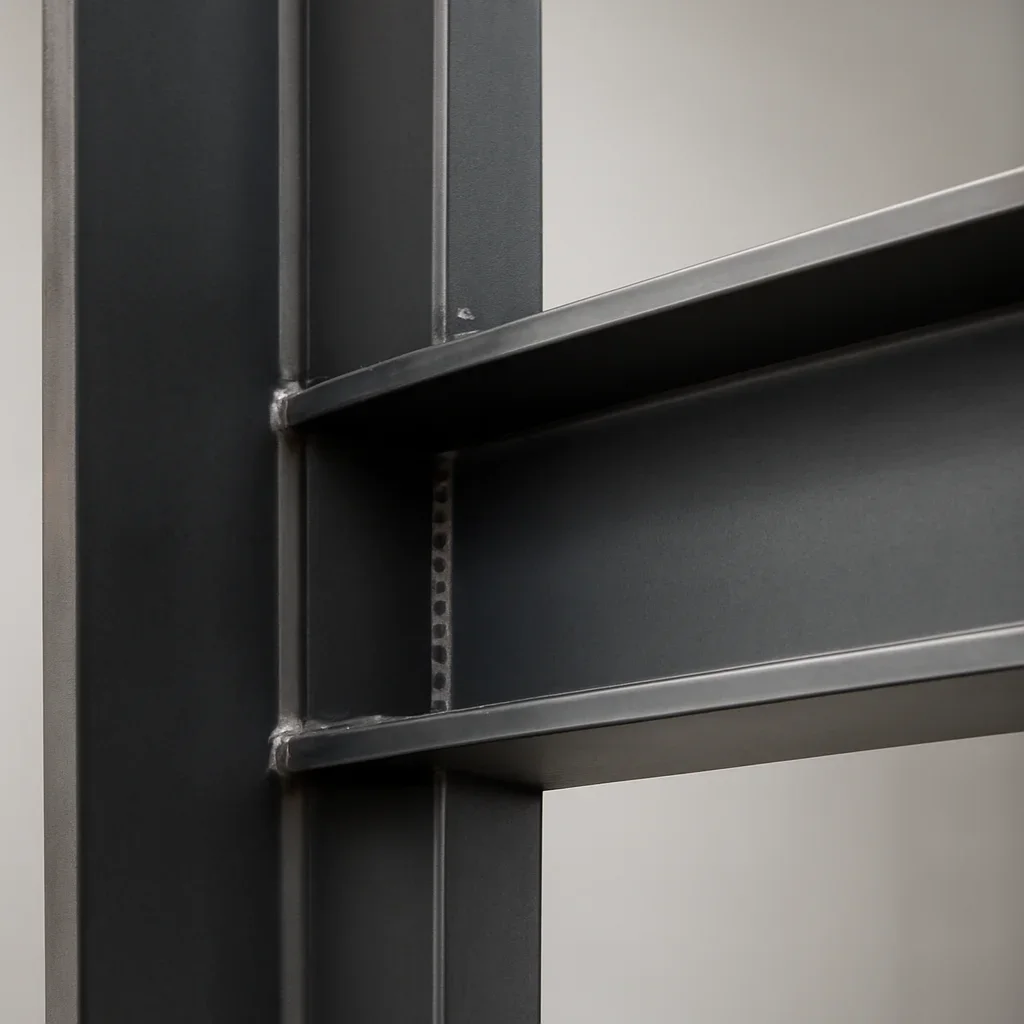
Detailed preconstruction review of custom metal components, architectural drawings and finish samples
When design-assist is useful

Bring the fabrication team in before uncertainty becomes rework

Design-assist is most valuable when important choices remain open or several parts of the project must be coordinated before fabrication.

Early design

The feature is still taking shape

The team has a general direction but still needs to evaluate scale, materials, visible details or practical fabrication options.

Complex coordination

Several building elements meet

Metalwork must connect with concrete, wood, glass, masonry, structural framing, exterior finishes or work performed by other trades.

Site constraints

Access or installation may be difficult

Tight entries, occupied buildings, limited staging space or existing construction may affect how pieces are sized, delivered and installed.

Visible metalwork

The finish and detailing matter

Stairs, railings, gates, doors, canopies and bespoke features need careful coordination because they contribute strongly to the finished appearance.

How design-assist moves forward

A practical path from early plans to coordinated fabrication information

The exact scope depends on the project, but the collaboration generally follows four stages.

  1. Share the current project information

    Provide the location, drawings, photographs, design goals, schedule and decisions that are still open.

  2. Review feasibility and interfaces

    Discuss dimensions, materials, surrounding construction, visible details, site access and areas needing clarification.

  3. Compare practical directions

    Evaluate options that may better support the design intent, fabrication approach, finish requirements or installation sequence.

  4. Carry decisions into documentation

    Move the agreed direction into shop drawings, modeling, field verification or other project-specific planning.

A shared working process

Support for the people making design and construction decisions

Design-assist helps project participants work from clearer assumptions and identify who is responsible for each decision.

Seattle and Pacific Northwest project reality

Plan around the actual site, weather exposure and construction sequence

Seattle-area metalwork projects may involve older homes, active commercial spaces, tight urban access, sloped properties or existing construction that does not match early assumptions. These conditions can affect dimensions, delivery, assembly and installation.

Exterior stairs, railings, gates, canopies and other exposed features also need practical discussion around moisture exposure, surrounding materials and finish expectations. Design-assist brings those topics into the conversation before they become late-stage fabrication questions.

  • Renovation and existing-building conditions
  • Tight access, staging or delivery limitations
  • Exterior exposure and finish coordination
  • Active commercial or occupied properties
Prepare for the first review

What to share when requesting design-assist support

The project does not need to be fully documented. Send the information already available and identify the decisions that still feel uncertain.

  • Project location and property type
  • Current architectural or construction drawings
  • Photographs of the space and surrounding conditions
  • Type of metalwork being considered
  • Design references and finish preferences
  • Known dimensions or field information
  • Current project phase and target schedule
  • Project contacts involved in review and approval
Frequently asked questions

Design-assist preconstruction questions

Practical answers for owners, architects, designers, builders and commercial property teams planning custom metalwork.

What is design-assist preconstruction for metal fabrication?

It is an early collaboration process that brings fabrication-focused input into the design and planning stage. It can help the project team review feasibility, interfaces, materials, finishes, access and sequencing before fabrication details are finalized.

When should a metal fabricator become involved?

Involvement is often most useful after the project has a clear design direction but before every detail is fixed. This gives the team time to discuss fabrication and installation considerations while changes are still manageable.

Is design-assist only for large commercial projects?

No. Focused residential projects can also benefit when the metalwork is visually important, must fit existing construction or requires coordination between several project participants.

Does design-assist replace an architect or engineer?

No. Design-assist supports fabrication and coordination discussions. Architectural, structural, engineering, permitting and code responsibilities remain with the appropriate licensed professionals and authorities.

Can design-assist include drawings or 3D modeling?

It can connect with shop drawings, 3D modeling and other planning services when those tools are useful. The exact deliverables should be defined in the project scope.

Does design-assist guarantee the project cost or schedule?

No. It can improve the information available for planning, but final cost and scheduling still depend on approved scope, materials, engineering, field conditions, revisions, finishing, access and other project requirements.

What information should we send for an initial review?

Share the project location, current drawings, photographs, type of metalwork, design goals, known dimensions, target schedule and the questions the team is trying to resolve.

Do you support projects outside Seattle?

Project support is available across Washington and Oregon, including Seattle, Bellevue, Tacoma, Everett, Kirkland, Redmond, Portland, Bend and nearby communities. Availability depends on location, project scope and scheduling.

Bring the fabrication conversation forward

Build a clearer path from early design into custom fabrication

Share the project location, current drawings, site photographs, schedule and the metalwork decisions that remain open. The team can review the available information and help identify whether design-assist preconstruction is the right next step.

You do not need final fabrication drawings before getting in touch. Begin with the plans, questions and project information currently available.

Preconstruction team reviewing custom metalwork drawings, material samples and project details