Seattle ornamental metal fabrication

Ornamental metalwork shaped around the property

We create custom ornamental gates, railings, fences, screens, entry features and architectural details for homes and commercial properties in Seattle and across Washington and Oregon. Each project is developed around the building style, real site dimensions, visibility, security needs and long-term exterior exposure.

  • Traditional and contemporary detailing
  • Custom patterns, profiles and proportions
  • Drawings and design coordination
  • Interior and exterior applications
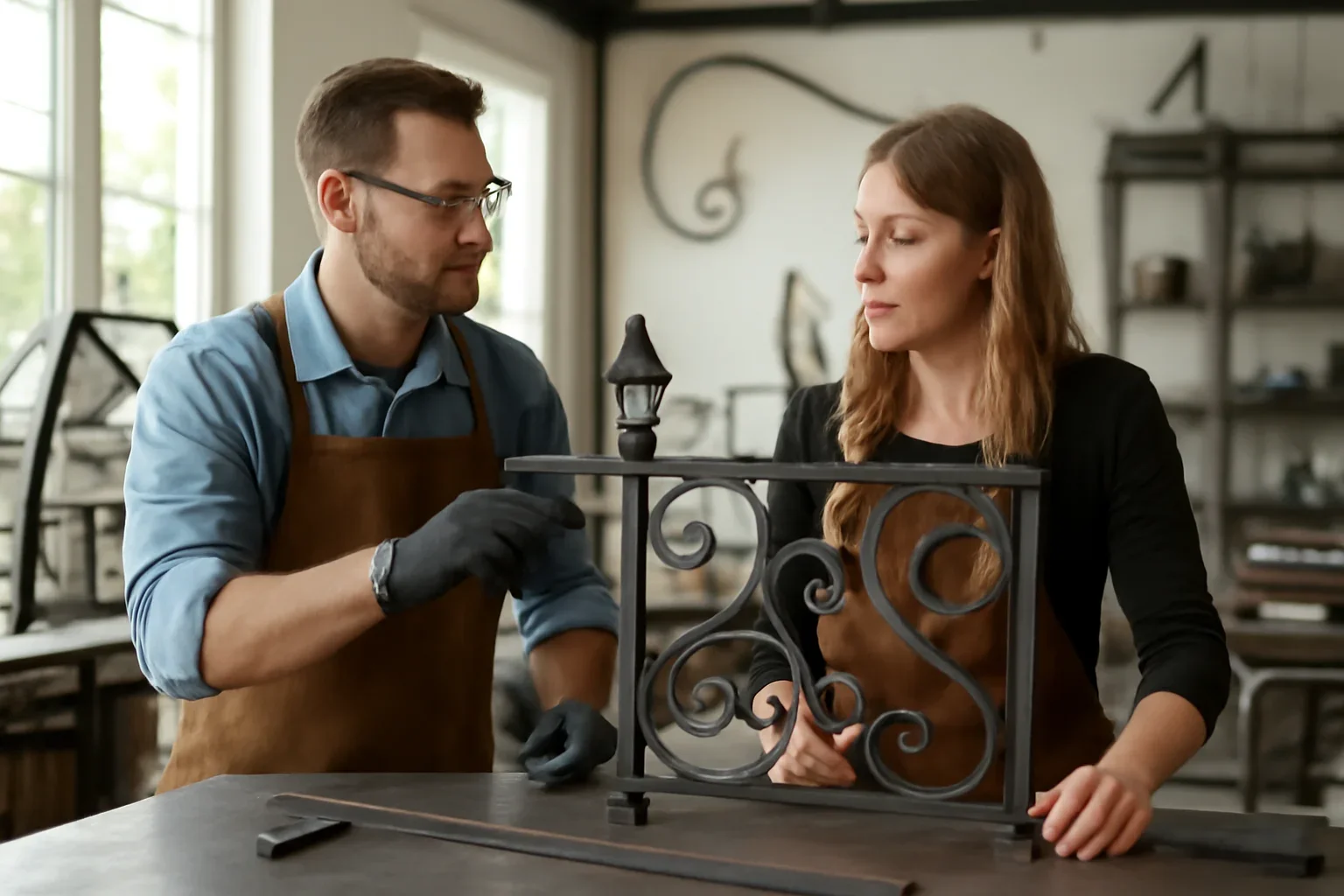
Ornamental metal fabrication design review with custom patterns and material samples for a Seattle project
Bring references, sketches or an early idea Share the project location, photographs, rough dimensions, preferred style and examples of details you like. Finished drawings are not required to begin an initial review.
  • Design Character Patterns and proportions that suit the property
  • Project Fit Details based on actual openings and conditions
  • Finish Planning Interior and exterior finish coordination
  • Field Coordination Access, measurement and installation planning
A practical definition

What is ornamental metal fabrication?

Ornamental metal fabrication combines practical metalwork with visible pattern, profile, rhythm and crafted detail. It can be traditional, contemporary or a restrained blend of both. The goal is not to add decoration for its own sake, but to create a feature that feels connected to the architecture and landscape.

Unlike a standard catalogue product, custom ornamental work can respond to the width of an entry, the grade of a property, an existing railing pattern, a historic reference or a new design language developed for the project.

  • Patterns and proportions developed for the specific opening or property
  • Coordination with stone, masonry, wood, glass, concrete and landscaping
  • Interior or exterior finish planning based on exposure and maintenance expectations
  • Design review with homeowners, architects, designers, builders and property teams
01

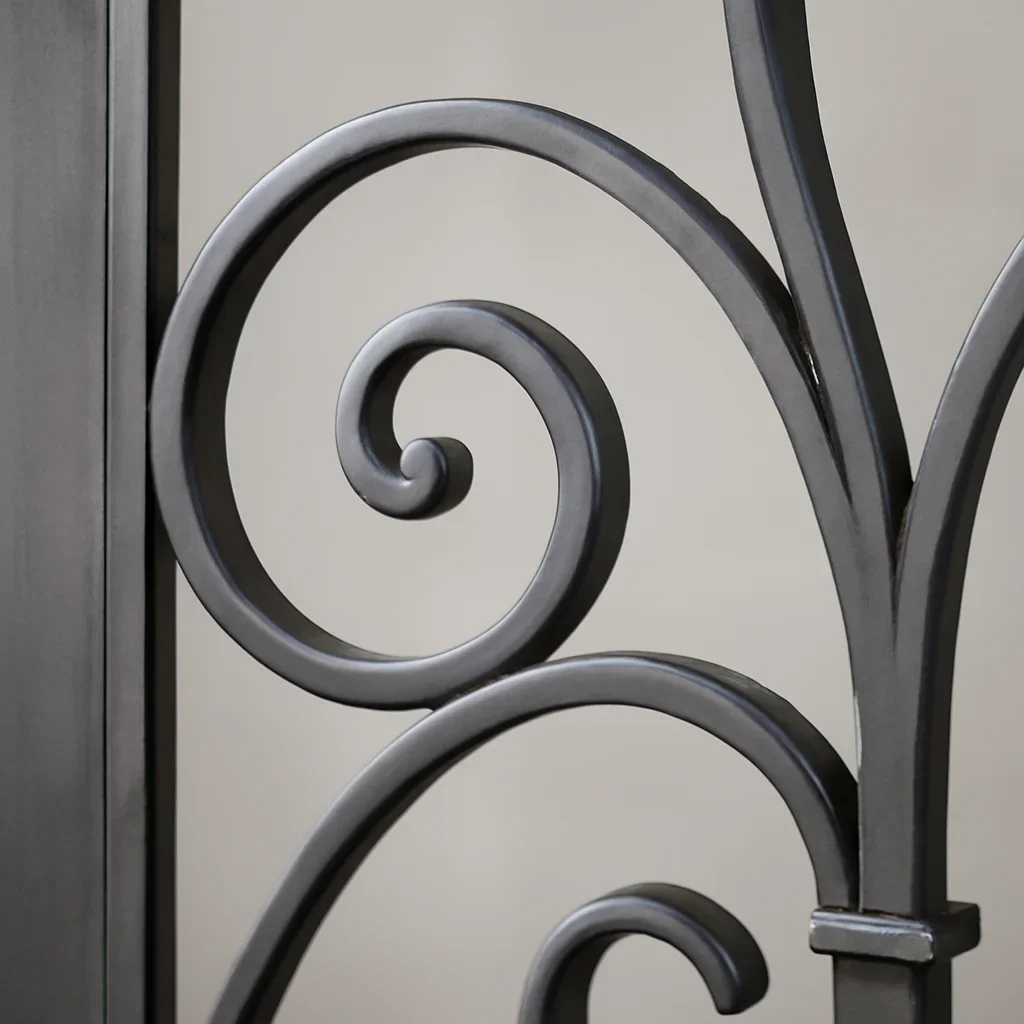
Pattern

Repetition, spacing and negative space shape how the feature looks from near and far.

02

Profile

Bar size, frame depth and edge details affect both visual weight and fabrication.

03

Proportion

The design should relate to the opening, building elevation and surrounding landscape.

04

Finish

Color, sheen, texture and exterior exposure influence the final appearance and care needs.

Common ornamental applications

Custom metal details for entries, boundaries and architecture

Choose the feature closest to your project. Each application can be developed with traditional, transitional or contemporary ornamental details.

01

Custom Entry Gates

Pedestrian and driveway gates designed around access, privacy, security, property character and the dimensions of the opening.

Explore Custom Entry Gates
02

Decorative Metal Fences

Custom fence panels and boundary features that balance openness, privacy, visibility, curb appeal and site conditions.

Explore Decorative Metal Fences
03

Ornamental Railings

Interior and exterior railings with custom pickets, panels, scrollwork or restrained patterning developed around the stair, deck or balcony.

Explore Metal Railings
04

Privacy and Garden Screens

Patterned metal screens for gardens, patios, entries, mechanical screening and architectural separation.

Explore Bespoke Metalwork
05

Entry and Door Details

Decorative grilles, transoms, side panels and metal details that reinforce the identity of a residential or commercial entry.

Explore Feature Doors
06

Bespoke Architectural Features

Fireplace surrounds, panels, brackets, frames, sculptural details and one-of-a-kind features developed for a particular space.

Explore Bespoke Metalwork

Have a reference image or existing pattern?

Include it with your project photos and dimensions. It can help clarify the level of detail, visual weight and finish direction you have in mind.

Choose the right design direction

Ornamental metalwork versus decorative metalwork

The terms overlap, but they are not always used in the same way. Ornamental fabrication often focuses on crafted patterns, traditional references, repeated details and character-rich gates, railings or fences.

Decorative fabrication is broader. It can include clean contemporary screens, minimalist panels, modern surrounds and visual accents without traditional ornament. Some projects use both approaches.

  • Choose ornamental fabrication for pattern, heritage character, scrollwork or traditional detailing
  • Choose decorative fabrication for modern visual panels, screens and contemporary accents
  • Combine both when a project needs a simplified, updated interpretation of traditional metalwork
  • Use drawings and finish samples to keep the chosen design direction consistent
Seattle and Pacific Northwest realities

Exterior ornamental metalwork must suit the site

Seattle-area gates, fences, railings and screens are exposed to regular rain, moisture and changing temperatures. Older properties, sloped lots and dense urban sites can also affect measurements, access, attachment details and installation sequencing.

  • Exterior finish systems should be selected with repeated moisture exposure and maintenance in mind
  • Gates need clearance, drainage and grade conditions reviewed before fabrication
  • Older masonry, concrete and wood structures may need project-specific connection planning
  • Landmark properties or designated districts may involve additional design and approval coordination
  • Fence, guard, handrail and structural requirements depend on the feature, location and project scope
From design idea to coordinated metalwork

How an ornamental fabrication project moves forward

The process should protect the design character while resolving dimensions, connections, finish and installation requirements before fabrication begins.

  1. Share the visual direction

    Send the location, feature type, photos, reference images, sketches and the level of detail you prefer.

  2. Review project conditions

    Consider dimensions, grade, openings, adjacent materials, access, security needs and exterior exposure.

  3. Develop drawings and details

    Clarify pattern, spacing, profiles, connections, finish and approval responsibilities before production.

  4. Fabricate and coordinate

    After the details are approved, coordinate fabrication, finishing, delivery and installation handoff.

Not sure how detailed the design should be?

Share examples you like and dislike. That often gives a clearer starting point than trying to name a specific ornamental style.

Scope and pricing clarity

What affects ornamental metal fabrication pricing?

Pricing depends on the full design and project scope. Two gates with the same overall size can have very different fabrication requirements based on pattern, material, hardware, finish and installation conditions.

  • Overall dimensions and number of components
  • Pattern density and number of unique details
  • Material type, profiles and section sizes
  • Gate hardware, automation interfaces or latching
  • Drawing, modeling and field measurement needs
  • Finish system, color and exterior exposure
  • Access, delivery and installation coordination
Direct answers

Ornamental metal fabrication FAQs

Common questions from homeowners, architects, designers, builders and commercial property teams.

What types of ornamental metalwork do you fabricate?

Ornamental projects can include custom entry gates, driveway gates, railings, decorative fences, garden screens, privacy panels, entry grilles and bespoke architectural details.

Does ornamental metalwork have to look traditional?

No. Ornamental metalwork can be traditional, transitional or contemporary. Pattern, proportion and crafted detail can be used in a restrained way without relying on heavy scrollwork or historic motifs.

What is the difference between ornamental and decorative metal fabrication?

Ornamental fabrication often emphasizes crafted patterns, repeated details and traditional or character-rich features. Decorative fabrication is broader and may include modern screens, panels and minimalist visual accents.

Can you match an existing railing, gate or fence pattern?

Existing photographs, measurements and material details can be reviewed to determine whether a compatible custom pattern or related design can be developed. Exact matching depends on the original construction and available information.

What finish works best for exterior ornamental metalwork?

The right finish depends on material, exposure, location, desired appearance and maintenance expectations. Exterior projects should address moisture exposure and finish care during the design stage.

Do ornamental gates and fences require permits?

Requirements depend on height, location, structural conditions, property type and local rules. Even when a permit is not required, zoning, development, safety or property-specific standards may still apply. Confirm current requirements for the project location.

Can ornamental metalwork be used on landmark or historic properties?

It may be possible, but protected properties or designated districts can involve additional design review and approval steps. Share the property status early so the project team can coordinate the applicable requirements.

What areas do you serve?

The service structure includes Seattle and nearby Washington communities, with additional project coverage across Washington and Oregon. Include the project location so service coverage and field coordination needs can be reviewed.

Start your ornamental metalwork project

Turn the design idea into a buildable plan

Share the project location, photographs, rough dimensions, reference images and finish direction. The team can review the concept and identify the most useful next step for drawings, measurement and fabrication.

Ornamental metal fabrication consultation with drawings, patterns and finish samples