
Seattle metal finish and care guidance

Protect the finish and long-term appearance of custom metalwork

Powder-coated steel, painted metal, stainless steel and specialty finishes need different care. This guide explains how to clean, inspect and respond to common finish concerns for custom stairs, railings, gates, doors, canopies and architectural metalwork in Seattle and across the Pacific Northwest.

  • Interior and exterior care
  • Seattle moisture exposure
  • Finish-specific guidance
  • Repair warning signs
Custom metal finish review with powder-coated, painted and stainless steel samples
Know the finish before cleaning it. The wrong abrasive, chemical or repair product can change the colour, sheen, texture or corrosion protection of the original finish.
  • Identify the Finish Know what material and coating are present
  • Clean Gently Start with the least aggressive method
  • Inspect Early Look for chips, staining and trapped moisture
  • Repair Promptly Address damage before it spreads
Direct answer

How should custom metalwork be maintained?

Start by identifying the metal and finish system. Remove loose dust and surface dirt with a soft cloth or non-abrasive brush, then use a mild cleaning method that is compatible with the finish. Rinse away residue when appropriate and dry the surface rather than allowing moisture to remain in joints, corners or horizontal areas.

Exterior metalwork should also be checked for coating damage, staining, blocked drainage, loose hardware and areas where water, soil, leaves or road residue remain against the surface. Small finish defects are generally easier to evaluate before corrosion or coating failure spreads beyond the original damaged area.

Project records matter.

Keep the material, finish colour, coating system and installer information with the property records. These details make future cleaning, touch-up and repair decisions more reliable.

Care by finish type

Match the cleaning and maintenance approach to the actual finish

These are practical starting points rather than substitutes for the original coating, material or product instructions.

Coated steel

Powder-Coated Metal

Powder coating provides colour and protection, but chips, deep scratches and worn edges can expose the underlying metal.

  • Routine cleaning Remove loose dirt, then wash gently with mild soap and water.
  • Inspection points Check corners, welds, cut edges, fasteners, lower rails and high-contact areas.
  • Exterior concern Do not allow leaves, soil or standing water to remain against the coating.
Avoid

Abrasive pads, aggressive solvents and pressure concentrated at coating edges or damaged areas.

Protective coating

Painted Steel

Painted systems can often be repaired locally, but the touch-up product should be compatible with the original primer and topcoat.

  • Routine cleaning Use a soft cloth or sponge with a mild finish-safe cleaner.
  • Inspection points Look for bubbling, peeling, exposed edges, impact damage and staining around connections.
  • Repair planning Confirm surface preparation and coating compatibility before applying touch-up paint.
Avoid

Painting directly over loose coating, active corrosion or damp surfaces without proper preparation.

Exposed metal

Stainless Steel

Stainless steel resists corrosion but still benefits from regular cleaning, especially where moisture, traffic residue or airborne contaminants collect.

  • Routine cleaning Clean with a soft cloth and a compatible mild cleaner, following the visible grain direction where applicable.
  • Inspection points Check welds, corners, fasteners, horizontal surfaces and areas exposed to runoff.
  • Appearance care Dry the surface to reduce water spotting and uneven residue.
Avoid

Steel wool, carbon-steel brushes and harsh products that can scratch or contaminate the surface.

Decorative finish

Patinas and Specialty Finishes

Patinas, waxed finishes, clear coats and hand-applied decorative treatments may change naturally and require project-specific care.

  • Routine cleaning Dust gently and use only methods approved for the original protective layer.
  • Inspection points Watch for uneven wear, whitening, moisture marks and loss of the protective top layer.
  • Natural variation Confirm whether colour changes are expected or indicate finish damage.
Avoid

Polishing, solvents or unapproved waxes that may permanently alter the colour or sheen.

What to inspect

A simple visual review can catch many finish problems early

Inspection frequency should match the location and use. Exterior gates, railings, stairs and canopies generally need closer attention than protected interior features.

  1. 01
    Chips, scratches and worn edges

    Look for exposed metal where objects, shoes, tools, keys or moving hardware repeatedly contact the finish.

  2. 02
    Staining or colour changes

    Determine whether marks are surface residue, water deposits, coating wear or a sign of corrosion beneath the finish.

  3. 03
    Water-holding areas

    Check horizontal ledges, lower rails, joints, tube openings and areas where leaves or debris block drainage.

  4. 04
    Fasteners, hinges and moving parts

    Look for loose hardware, finish wear, misalignment or metal contact that is damaging nearby coated surfaces.

  5. 05
    Connections to other materials

    Inspect transitions beside concrete, stone, wood, glass, sealants and dissimilar metals.

  6. 06
    Changes after nearby construction

    Check for grinding dust, paint overspray, mortar residue, scratches or damage caused by later work.

Seattle and Pacific Northwest exposure

Moisture, shade and repeated wetting should shape the maintenance plan

Seattle-area exterior metalwork can remain damp longer in shaded locations, beside landscaping or where drainage is restricted. Rain is only one part of the exposure. Surface dirt, leaves, irrigation, road residue and water trapped around connections can also affect how a finish looks and performs.

  • Keep drainage openings, lower rails and horizontal surfaces clear of debris
  • Rinse away soil, organic residue and road film rather than allowing buildup to remain
  • Check areas beneath planters, mats and stored objects that trap moisture
  • Review exterior coating damage after construction, moving work or severe impacts
  • Inspect gates and exposed hardware where movement repeatedly wears the finish
  • Use a care plan appropriate for more demanding marine or salt exposure where applicable
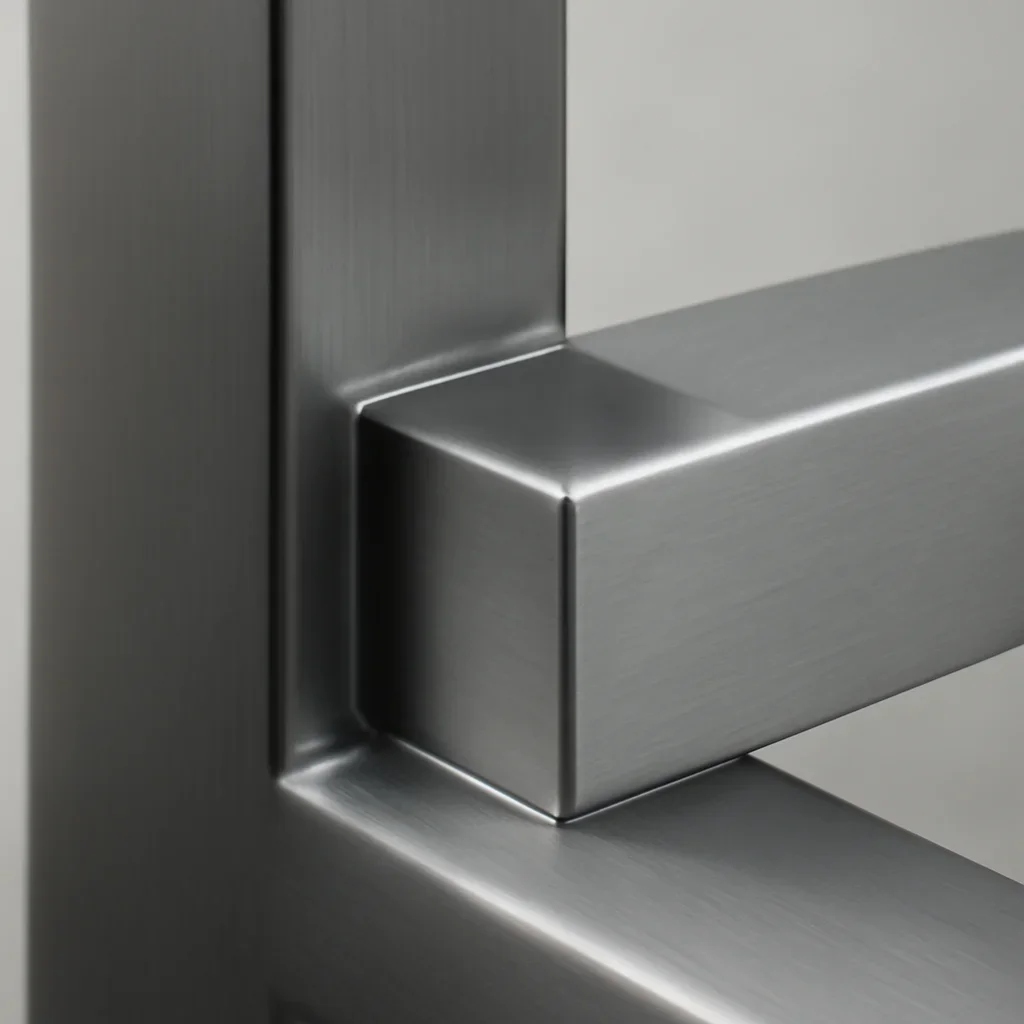
Close view of architectural metalwork showing coating quality, clean weld finishing and maintained surfaces

Protected Interior Metalwork

Usually needs dust removal, gentle cleaning and inspection of high-touch areas, fasteners and floor-level damage.

Covered Exterior Metalwork

May avoid direct rain but can still collect condensation, dust, pollen, road film and wind-driven moisture.

Fully Exposed Metalwork

Needs closer review of drainage, coating damage, lower sections, horizontal surfaces and connections.

Higher-Use Commercial Areas

Entries, guards and handrails may require more frequent cleaning because of repeated contact and active-property conditions.

A safer cleaning sequence

Start gently and increase the cleaning method only when necessary

Aggressive cleaning may remove a mark while permanently changing the surrounding finish. A controlled sequence reduces that risk.

  1. Identify the surface

    Confirm whether the metal is powder coated, painted, stainless, patinated, waxed, clear coated or another specialty finish.

  2. Remove loose debris

    Use a soft dry cloth or non-abrasive brush so grit is not dragged across the finish during washing.

  3. Test a mild method

    Test the proposed cleaner and cloth in a small hidden area before treating a visible surface.

  4. Rinse and dry

    Remove cleaning residue where appropriate and dry joints, corners and horizontal areas rather than leaving pooled moisture.

Cleaning, touch-up or repair?

The correct response depends on what is happening beneath the visible mark

Surface dirt, coating damage and corrosion are different problems. Cleaning may solve the first, but the others may require compatible touch-up materials, surface preparation or professional repair.

  • Clean first when the issue appears to be loose dirt or removable residue
  • Consider touch-up when damage is small, stable and the original coating system is known
  • Request evaluation when coating is bubbling, peeling or lifting around the damaged area
  • Request evaluation when corrosion appears to be spreading beneath the finish
  • Request evaluation when a gate, railing, stair or connection has movement or alignment problems
  • Document damage with wide and close photographs before cleaning or altering the area
Maintenance questions

Metal finish and maintenance FAQs

Direct answers for Seattle-area homeowners, builders, architects and property teams caring for custom metalwork.

How often should exterior metalwork be inspected?

Inspection frequency depends on exposure, use and finish type. Exterior gates, stairs, railings and canopies should be checked regularly and after impacts, construction work or conditions that may damage the finish.

How should powder-coated metal be cleaned?

Remove loose dirt with a soft cloth or non-abrasive brush, then use a mild finish-compatible cleaning method. Rinse away residue where appropriate and avoid abrasive tools or aggressive solvents.

Can scratches in powder coating be touched up?

Small stable areas may be suitable for compatible touch-up, but colour, sheen and texture may not match the factory-applied finish exactly. Spreading corrosion, bubbling or loose coating should be evaluated before cosmetic repair.

Does stainless steel require maintenance in Seattle?

Yes. Stainless steel still benefits from cleaning and inspection, especially where moisture, road residue, fingerprints or airborne contaminants collect. Grade and surface finish also affect care requirements.

Can pressure washing be used on finished metalwork?

High-pressure cleaning can force water into joints or damage coating edges, sealants and already weakened areas. Confirm the original finish guidance before using pressure-cleaning equipment.

What causes exterior metal finishes to fail early?

Possible causes include damaged coating, poor drainage, trapped moisture, incompatible materials, impact damage, unprotected cut edges, aggressive cleaning and delayed repair of small defects.

Should rust be painted over immediately?

Paint should not simply be applied over active corrosion, loose coating or damp surfaces. The cause, affected area, preparation method and compatible repair system should be identified first.

What information should I send when reporting finish damage?

Send the project location, wide and close photographs, known material and finish information, when the issue appeared, any recent impact or construction activity and products already used on the surface.

Need finish-specific guidance?

Share photos and the finish information you have

Send the project location, full-view photos, close images of the affected area and any known material, colour or coating details. We will help identify whether the next step is cleaning, compatible touch-up guidance or a repair review.

Do not apply an unknown cleaner, polish or coating before documenting the condition and confirming compatibility with the original finish.

Custom metalwork finish consultation with coating samples, drawings and maintenance notes