
Seattle architectural metal finish planning

Finish coordination for custom metalwork that looks considered

Finish coordination connects the metal, color, sheen, texture, exposure conditions and maintenance expectations before fabrication is finalized. It helps homeowners, architects, designers and builders choose a finish direction that supports both the intended appearance and the real environment where the metalwork will be used.

  • Interior and exterior finishes
  • Sample and color review
  • Exposure-aware planning
  • Maintenance expectations
Architectural metal finish samples being reviewed with custom fabrication drawings
Choosing a finish from a screen or small sample? Share the metalwork type, location, exposure and surrounding material palette so the finish conversation starts with the real project conditions.
  • Clearer Direction Align color, texture and sheen
  • Better Samples Review finishes on relevant metal
  • Exposure Awareness Plan for interior or exterior use
  • Maintenance Clarity Understand care expectations early
Make finish decisions before they become production changes

The finish is part of the design, not an afterthought

A finish changes how fabricated metalwork reads in the space. The same railing, gate, stair or canopy can feel very different depending on its color, reflectivity, surface texture and relationship with nearby wood, glass, concrete, stone or painted finishes.

Finish coordination brings those decisions into the planning process early enough to review practical limitations. The material, fabrication details, weld cleanup, edge conditions and exposure can all influence which finish paths are appropriate.

  • Review the project palette and intended visual character
  • Confirm whether the metalwork is indoors, outdoors or partially covered
  • Compare color, sheen, texture and natural variation
  • Discuss maintenance, touch-up and aging expectations
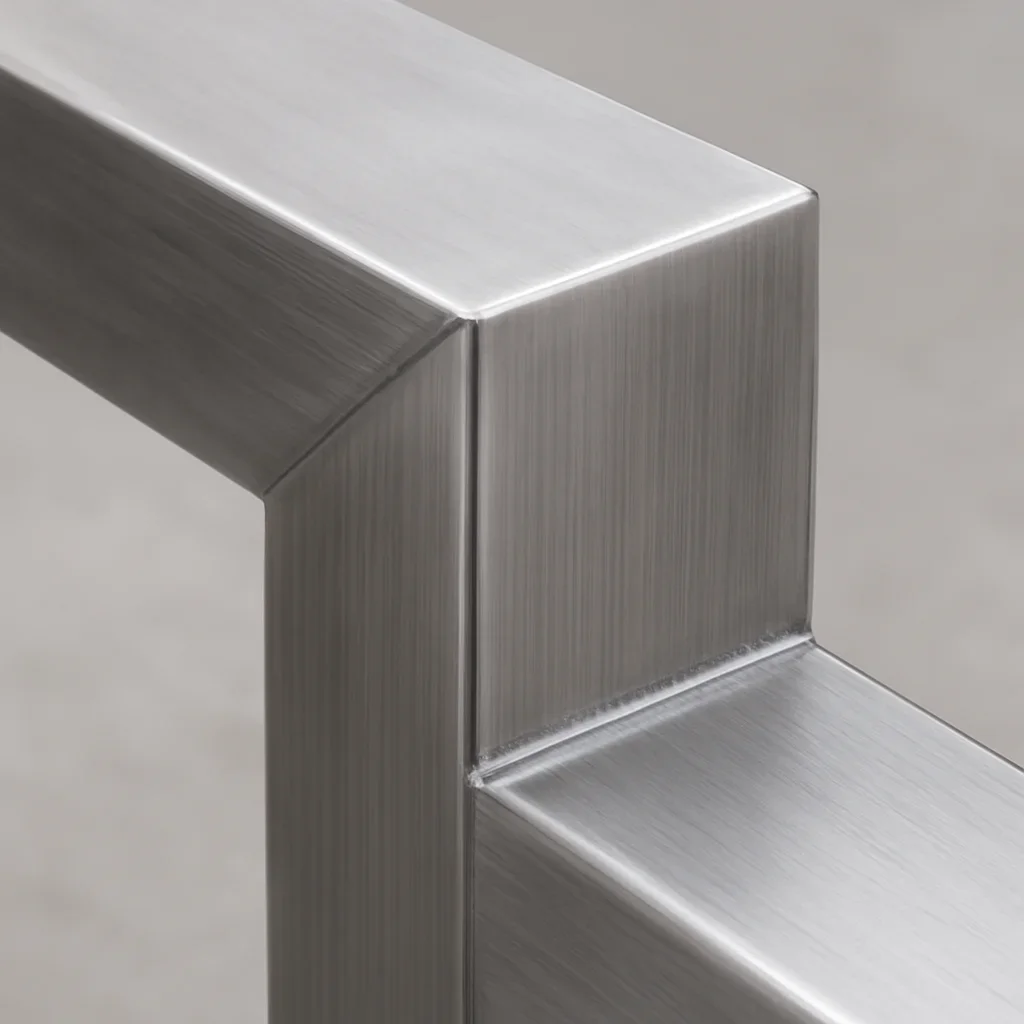
Close view of architectural metal finish samples showing different colors, textures and sheen levels
What shapes the finish decision

Six project realities to review before approving a finish

A finish should be evaluated as part of the full assembly rather than selected by color alone.

Base material

The metal underneath

Steel, stainless steel, aluminum and other metals respond differently to coatings, polishing, patinas and natural exposure.

Environment

Interior or exterior exposure

Rain, moisture, sunlight, temperature changes and proximity to other materials can influence the suitable finish system.

Appearance

Color, sheen and texture

Matte, satin, gloss, brushed, textured and naturally varied surfaces can change how light and detail are perceived.

Fabrication detail

Edges, seams and weld areas

Visible joints, transitions, grinding and surface preparation can affect the final appearance, especially with clear or transparent finishes.

Use

Touch, traffic and wear

Handrails, gates, doors and high-contact surfaces may need different expectations than decorative features that are rarely touched.

Long-term care

Cleaning and maintenance

The owner should understand routine cleaning, potential touch-up needs and how the finish may change with age and use.

How finish coordination works

A practical path from design palette to approved finish direction

The process varies by material and project, but most finish decisions move through four stages.

  1. Review the project context

    Confirm the metalwork type, location, surrounding materials, exposure, design references and maintenance priorities.

  2. Identify suitable directions

    Compare finish categories that may work with the selected metal, fabrication details and intended use.

  3. Review samples and expectations

    Evaluate relevant samples while accounting for lighting, substrate, texture, batch variation and natural finish differences.

  4. Document the approved plan

    Record the selected finish, sheen, color reference and project-specific notes before production and finishing are finalized.

Common finish directions

Finish categories that may be considered for custom metalwork

Availability and suitability depend on the base metal, fabrication details, exposure and project scope. These examples are starting points, not automatic recommendations.

Coated finish

Powder coating

Offers a broad range of colors and sheen levels. Surface preparation, exterior rating, edge coverage and touch-up expectations should be discussed for the specific project.

Painted system

Liquid-applied coatings

May be considered where a project needs a particular coating system, color approach or field-repair strategy. The specification should be coordinated with exposure and substrate preparation.

Natural metal

Brushed or polished surfaces

Can emphasize the character of stainless steel or other metals. Directional grain, fingerprints, handling and maintenance should be reviewed before approval.

Character finish

Patina and blackened effects

These finishes may include natural variation rather than a perfectly uniform color. Samples can establish direction but may not reproduce every final tone or pattern.

Transparent finish

Clear-coated metal

A clear system can leave fabrication marks and metal variation visible. It should be reviewed with realistic expectations about appearance, exposure and future maintenance.

Material-led appearance

Uncoated or naturally aging metal

Some projects intentionally allow the material to change over time. Runoff, staining, surrounding surfaces and the expected aging process should be considered before selection.

Seattle and Pacific Northwest finish reality

Exterior finishes need to account for persistent moisture and real exposure

Seattle-area exterior metalwork may experience long periods of rain, damp conditions, shaded surfaces and changing seasonal temperatures. Canopies, gates, railings, stairs and entry features should be planned around their actual level of exposure rather than treated as identical to interior decorative metalwork.

Site orientation, drainage, nearby landscaping, contact with other materials and the ability to clean or maintain the finished piece can all influence the practical finish direction.

  • Covered, partially covered or fully exposed locations
  • Areas where water can collect or drain slowly
  • High-touch gates, doors and exterior handrails
  • Interfaces with wood, masonry, glass or concrete
Prepare for a useful finish review

What to share when requesting finish coordination

The team can give more useful direction when the finish is reviewed alongside the real project rather than as an isolated color choice.

  • Project location and whether the metalwork is interior or exterior
  • Type of metalwork and expected level of use
  • Selected or proposed base metal
  • Architectural drawings or relevant elevations
  • Photographs of the surrounding space and materials
  • Color, sheen or texture references
  • Any required finish specification or performance criteria
  • Maintenance and aging expectations
Frequently asked questions

Metal finish coordination questions

Practical answers for homeowners, architects, designers, builders and property teams planning custom metalwork.

What is finish coordination for custom metal fabrication?

Finish coordination is the process of reviewing the base metal, intended appearance, color, sheen, texture, exposure and maintenance needs before the finish is approved for production.

When should the finish be selected?

Finish direction should be discussed early enough to influence material selection, fabrication details and pricing. Final approval should occur before the finishing stage begins.

Can you match a finish from a photograph or screen image?

A photograph can communicate general direction, but screens, lighting and image processing can alter color and sheen. A physical sample or recognized finish reference is usually more reliable for approval.

Will the finished metal look exactly like a small sample?

Not always. Part size, geometry, base metal, surface preparation, lighting and application conditions can change how the finish reads. Patinas and finishes that reveal the metal may also show natural variation.

Is powder coating suitable for every metal project?

No single finish is suitable for every project. The base metal, exposure, design details, required appearance and maintenance needs should be reviewed before selecting a coating system.

Do exterior finishes require maintenance?

Exterior metalwork generally benefits from routine inspection and appropriate cleaning. The required care depends on the finish, environment, use and project-specific exposure.

Can a damaged finish be touched up invisibly?

An exact invisible repair cannot always be guaranteed. Touch-up may differ in color, sheen, texture or aging from the original finish, especially on large or highly visible surfaces.

Do you coordinate finishes for projects outside Seattle?

Project support is available across Washington and Oregon, including Seattle and surrounding Pacific Northwest communities. Availability depends on project location, scope and scheduling.

Approve the finish with clearer expectations

Build a more resolved path from material selection to finished metalwork

Share the project location, metalwork type, drawings, surrounding material palette and finish references already available. We can review the project context and help identify the most useful finish coordination step.

You do not need a final color selection before getting in touch. Begin with the material, exposure and appearance goals currently known.

Project team reviewing architectural metal finish samples, drawings and material selections