Washington and Oregon project guidance

Metal Fabrication Comparisons

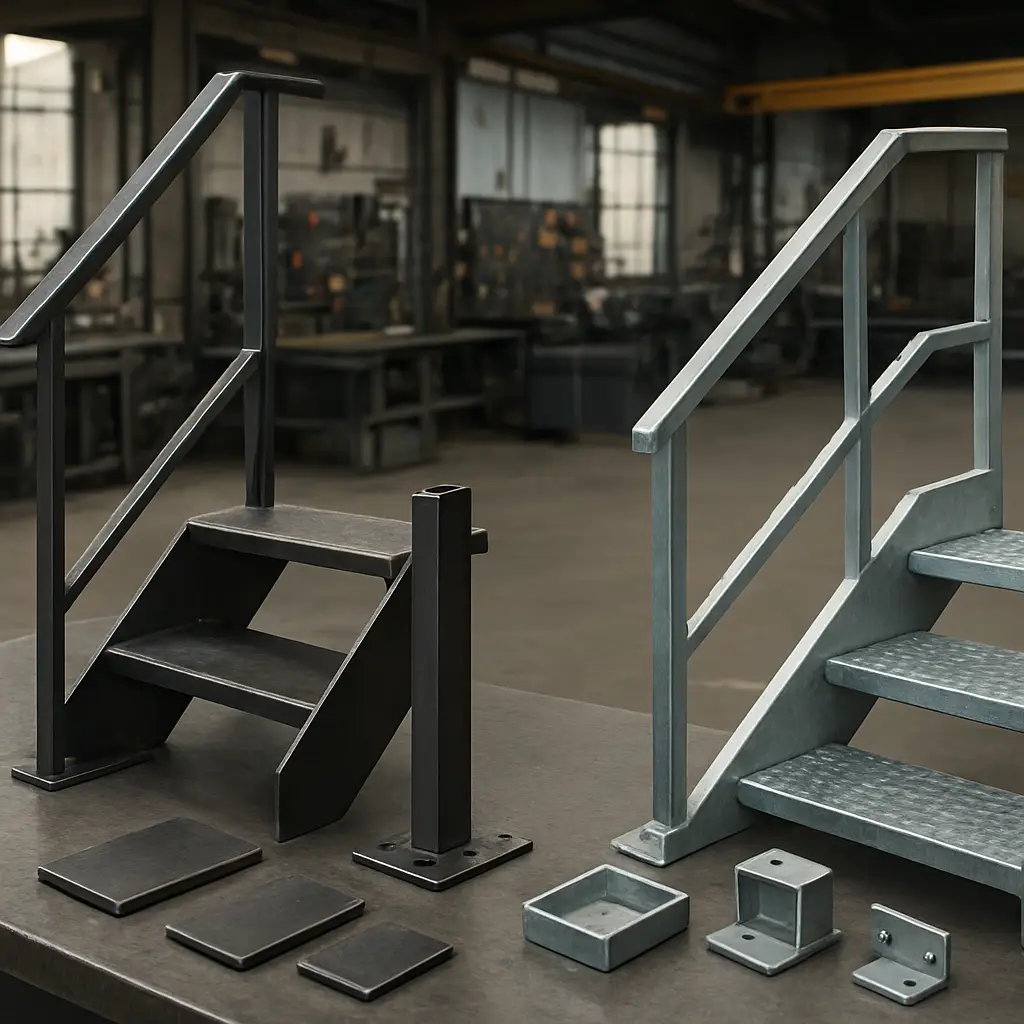
Compare custom metalwork, prefab products, steel and wood features, and different decorative fabrication approaches before choosing a direction. These guides are designed for homeowners, architects, designers, builders and property teams planning work across Seattle, Washington and Oregon.

  • Custom vs prefab
  • Steel vs wood stairs
  • Steel vs wood railings
  • Ornamental vs decorative metalwork
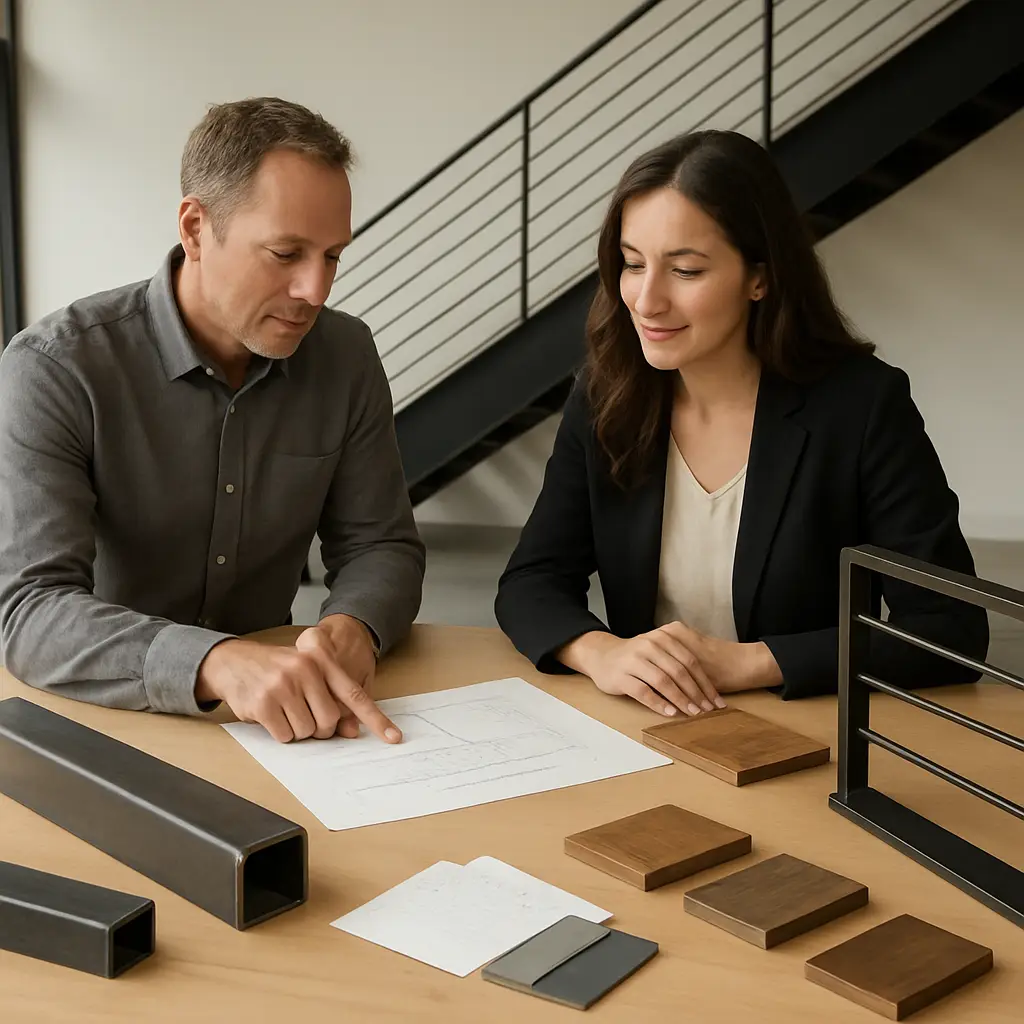
Architect and metal fabricator comparing custom metalwork materials, drawings and finish samples
There is rarely one best material for every project. The better choice depends on fit, appearance, exposure, maintenance, site conditions, approvals and the way the finished feature will be used.
  • Project Fit Standard dimensions or made-to-fit conditions
  • Material Logic Strength, appearance and exposure
  • Lifecycle Maintenance, repair and finish expectations
  • Site Reality Measurements, access and installation coordination
Compare the whole project

The lowest product price is not always the lowest project cost

A useful comparison should look beyond the purchase price. A product that appears less expensive may require more site modification, finish work, replacement parts or design compromises. A custom option may involve more planning, but it can reduce adaptation when the project has unusual dimensions, architectural requirements or visible details.

Material comparisons also need context. Steel and wood can both work well, but they behave differently around structure, visual weight, exterior exposure, refinishing and long-term maintenance. The right decision depends on the actual location and project priorities.

  • Compare installed scope rather than product price alone
  • Review fit, connections and surrounding construction
  • Consider interior or exterior exposure and finish maintenance
  • Confirm code, engineering and approval requirements separately
  • Evaluate how the material supports the intended architecture
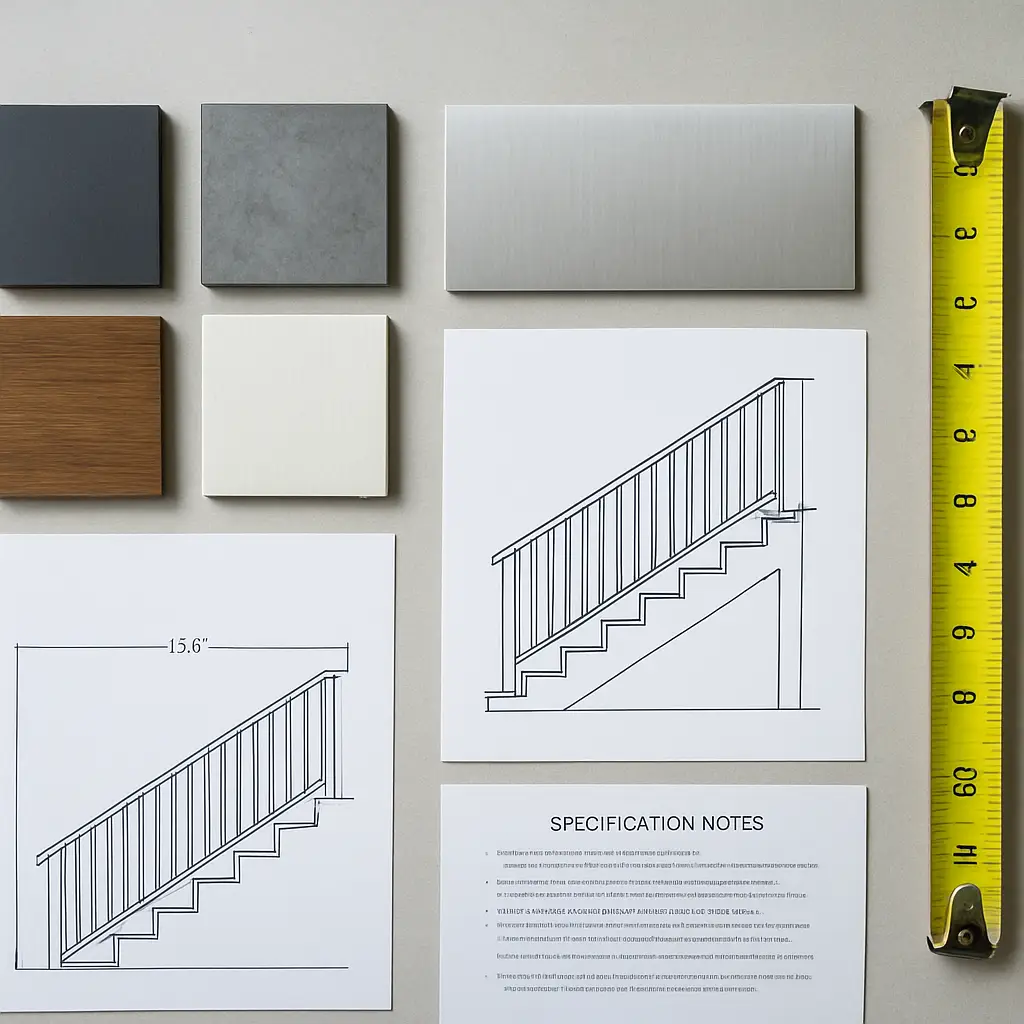
Steel, wood and metal finish samples arranged beside architectural comparison drawings
Four practical comparison guides

Start with the decision closest to your project

Each guide explains where the options differ, what questions to ask and why the answer can change based on the building, design intent and project stage.

01

Custom Metalwork vs Prefab Metal Products

Compare made-to-fit fabrication with standard manufactured products when dimensions, finish, connections, lead time and budget all matter.

  • Standard openings versus irregular or project-specific fit
  • Catalog finishes versus coordinated architectural finishes
  • Faster product selection versus greater design flexibility
Read the Custom vs Prefab Guide
02

Steel Stairs vs Wood Stairs

Compare structure, visual weight, tread options, maintenance and renovation implications for residential and commercial stair projects.

  • Open architectural expression versus traditional warmth
  • Steel structure with varied treads versus wood assemblies
  • Different finish, sound and maintenance expectations
Read the Stair Comparison
03

Steel Railings vs Wood Railings

Compare profile size, openness, finish care, repairability and interior or exterior performance for guards and railing systems.

  • Slim metal profiles versus larger wood components
  • Powder-coated or painted steel versus stained or painted wood
  • Site-specific attachments, guards and handrail coordination
Read the Railing Comparison
04

Ornamental vs Decorative Metal Fabrication

Understand how these overlapping terms are used and how style, craft, repetition, function and architectural context affect the final scope.

  • Traditional ornamental language and forged-looking details
  • Modern decorative screens, panels and feature elements
  • Visual purpose combined with functional fabrication needs
Read the Fabrication Comparison
A better comparison framework

Use the same five questions for every material or product decision

Comparing each option against the same criteria makes tradeoffs easier to see and keeps the decision tied to the real project.

Decision factor Questions to ask Why it matters
Fit and dimensions Is the opening standard? Are floors, walls, grades or landings already built? Site modification and adaptation can change the real installed cost.
Design intent Should the feature disappear into the architecture or become a focal point? Profile, spacing, material and finish affect visual weight.
Exposure and use Is the work interior or exterior? How often will it be touched, walked on or exposed? Moisture, traffic and maintenance expectations influence the better material and finish.
Coordination Does the work meet framing, waterproofing, glazing, flooring or finished surfaces? Interfaces can affect drawings, measurements, approvals and installation sequence.
Lifecycle What maintenance, refinishing, repair or replacement is realistic for the property? Long-term care can matter as much as the initial selection.
Pacific Northwest project reality

Material decisions should reflect the site, climate and construction stage

Projects across Seattle, Bellevue, Tacoma, Kirkland, Portland and nearby Washington and Oregon communities can involve exterior moisture, renovation constraints, tight access, active properties and coordination with several surrounding trades.

That context can change the comparison. Exterior steel needs a finish strategy. Wood needs realistic refinishing expectations. Prefab components need verified dimensions and compatible connections. Custom work needs enough design information to move from concept into fabrication.

  • Separate interior and exterior performance requirements
  • Review water exposure, drainage and finish maintenance
  • Confirm field dimensions at the correct project stage
  • Plan access, staging and protection of finished areas
  • Use project professionals for structural and code decisions
Custom and standard metalwork details reviewed for Pacific Northwest exterior and interior projects
Exterior exposure Finish preparation and maintenance should reflect the actual location rather than a generic product description.
Renovation fit Existing openings, levels and finished surfaces can make standard sizing difficult.
Installation access Stairs, large frames and assembled products may need to be divided around the real delivery route.
Approvals Material choice does not replace project-specific structural, guard, handrail or permitting review.
Project consultation comparing metal, wood, drawings, measurements and finish options
Before choosing a direction

Bring the comparison back to the actual scope

Inspiration images and product pages are helpful, but the final decision should be tested against the project location, dimensions, surrounding materials, use, exposure and timeline.

  • Share plans, photos and rough dimensions
  • Identify which details are fixed and which are flexible
  • Separate appearance preferences from performance requirements
  • Compare full installed scope and long-term care
Related planning resources

Continue from comparison into project planning

Use these pages after the broad material or product decision becomes clearer.

Custom Metal Stairs

Review stair types, structure, tread coordination and project information for made-to-fit stair fabrication.

Explore Custom Metal Stairs

Metal Railings

Review interior and exterior railing considerations, attachments, guards, finishes and field-fit planning.

Explore Metal Railings

Ornamental Metal Fabrication

Explore traditional, expressive and custom decorative metalwork for architectural and site features.

Explore Ornamental Fabrication

Comparison questions

Metal fabrication comparison FAQs

Practical answers for visitors deciding between materials, standard products and custom fabrication.

Is custom metalwork always better than a prefab product?

No. Prefab products can be practical when dimensions are standard, the available finish works and installation conditions are straightforward. Custom fabrication becomes more useful when fit, proportion, connections, finish or architectural integration requires a project-specific solution.

Is steel always more durable than wood?

Durability depends on the material specification, detailing, finish, exposure, maintenance and use. Steel and wood can both perform well when they are selected and maintained for the actual condition.

Are steel stairs more expensive than wood stairs?

The answer depends on geometry, structure, treads, railings, finish, drawings, installation and surrounding construction. Comparing only the stair material may not reflect the full installed project cost.

Which railing material is better for an exterior project?

The better choice depends on design, exposure, maintenance, attachments and the desired appearance. Exterior steel requires an appropriate finish strategy, while exterior wood requires a realistic sealing or refinishing plan.

What is the difference between ornamental and decorative metalwork?

The terms overlap. Ornamental metalwork often suggests traditional or highly detailed visual craft, while decorative metalwork can include both traditional and modern visual features. The actual scope should be defined by function, design, material and fabrication method.

What should I send before asking which option is best?

Send the project location, plans or sketches, site photos, approximate dimensions, interior or exterior exposure, design references and the priorities you are trying to balance. A useful comparison depends on project-specific context.

Move from broad comparison to a real scope

Compare your options using the details of your project

Gather the location, drawings, photos, dimensions, exposure, preferred appearance and timeline. Those details make it easier to evaluate fit, material, finish and fabrication requirements without relying on generic advice.

The comparison guides are educational. Final structural, code, engineering and installation decisions should be confirmed for the specific project.

Custom metal fabrication planning session with project drawings, measurements and material samples