Custom entry gates in Seattle

Custom metal gates shaped around the property

We fabricate custom driveway gates, pedestrian entry gates, security gates and coordinated property gates for residential and commercial projects across Seattle, Washington and Oregon. Each gate is planned around the opening, grade, access needs, surrounding fence or wall, hardware, finish and expected daily use.

  • Driveway and vehicle gates
  • Pedestrian entry gates
  • Privacy and security gates
  • Automation-ready fabrication planning
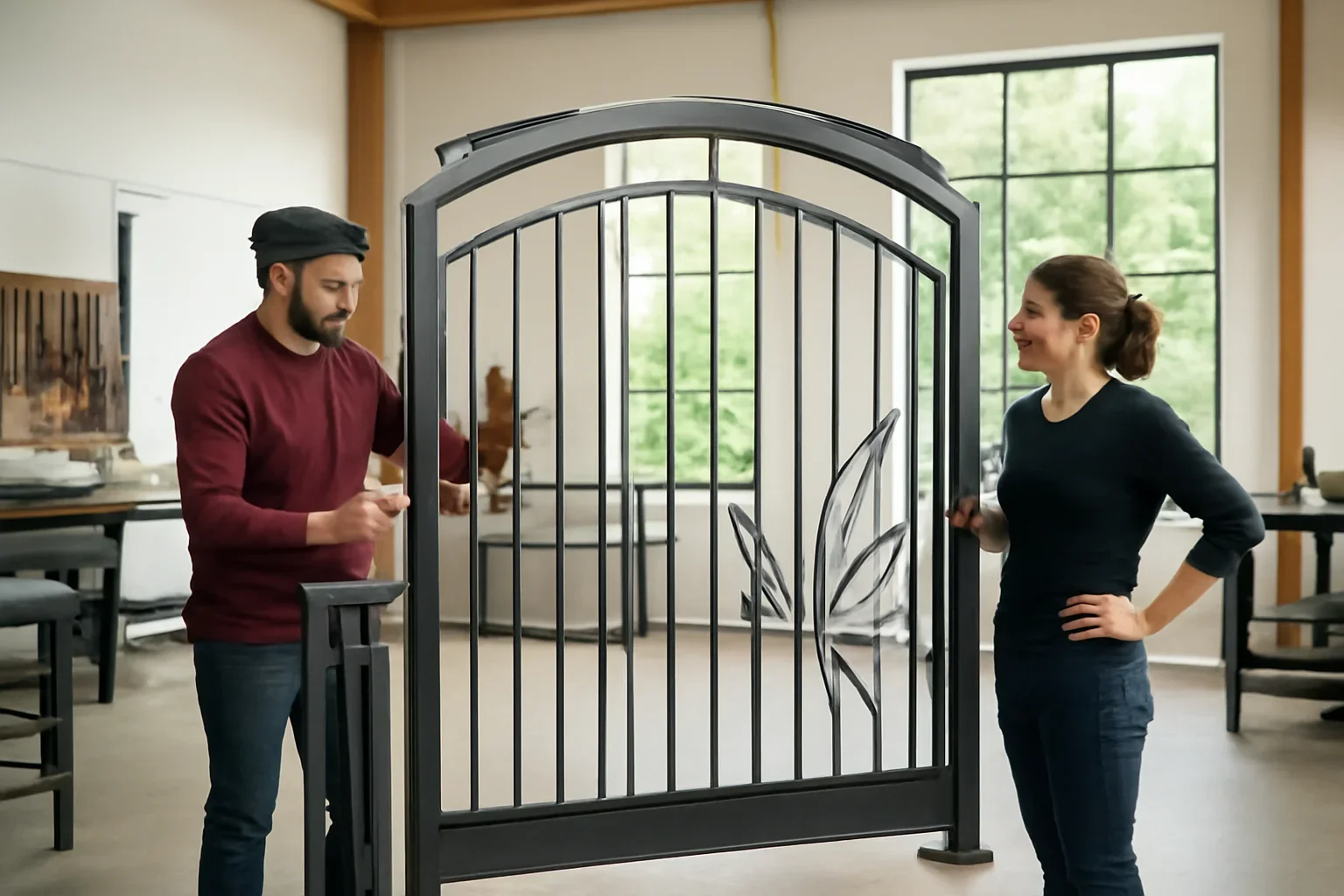
Seattle custom entry gate planning session with architectural drawings and metal finish samples
Planning a driveway or pedestrian gate? Send the property location, opening width, site photos, slope information, gate type and automation plans so the scope can be reviewed.
  • Site-Specific Fit Opening, slope and clearances
  • Security and Access Vehicle and pedestrian use
  • Design Coordination Fences, walls and architecture
  • Exterior Finish Planning Pacific Northwest exposure
More than an opening panel

A gate should control access without feeling separate from the property

An entry gate may be the first part of a home, commercial property or shared site that a visitor sees. Its scale, transparency, finish and movement affect how secure, private and welcoming the entrance feels.

Custom fabrication allows the gate to respond to the actual opening rather than forcing the property into a stock size. That includes reviewing driveway width, pedestrian clearance, slope, posts, walls, fencing, hinges, latches, drainage, vehicle movement and the space available for the gate to open.

When automation is planned, the gate frame, operator location, hardware, wiring route, safety devices and installation sequence should be coordinated early. Automation, electrical and access-control work should be completed or confirmed by the appropriate qualified providers.
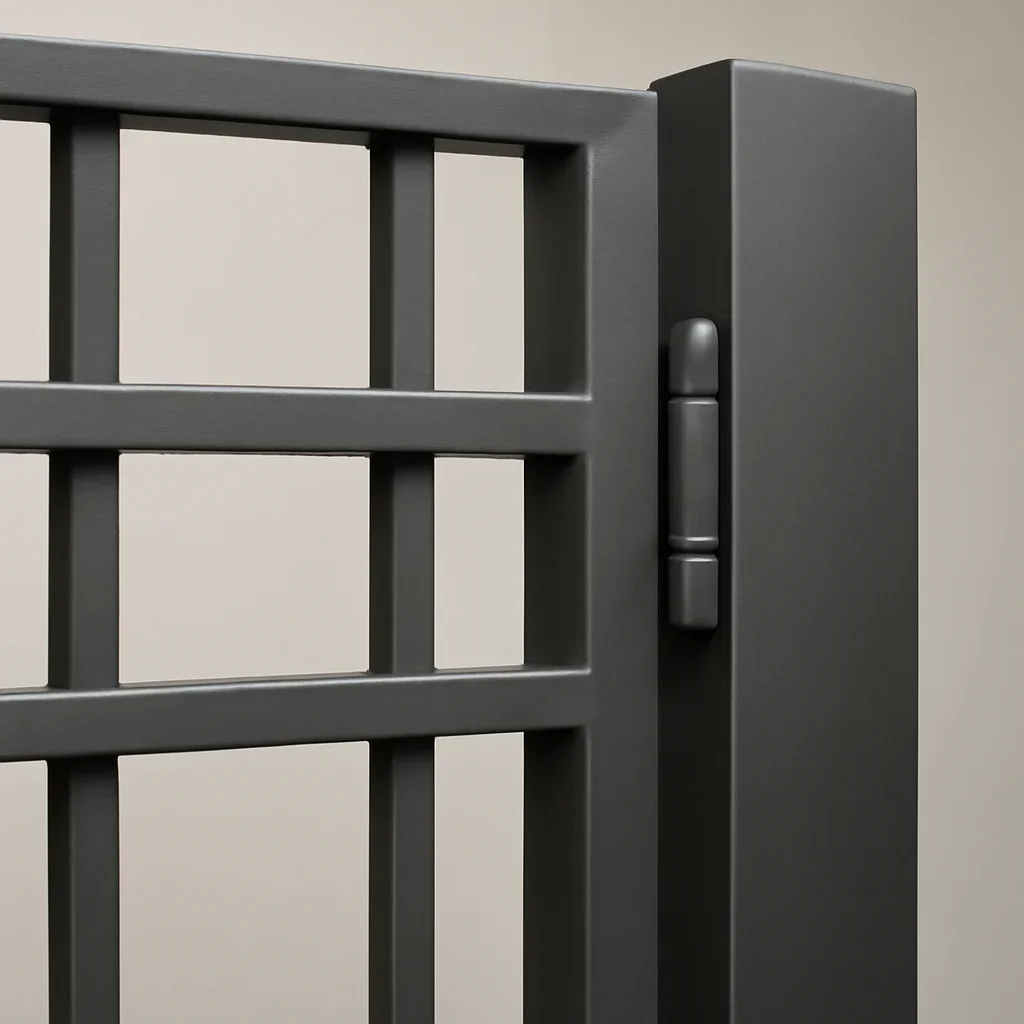

Close view of a custom metal entry gate showing hinges frame finish and fabrication details
Why choose a custom gate

Built around access, security and the property entrance

Custom fabrication allows the frame, infill, posts, hardware and finish to be developed for the real site and intended use.

01

Made for the opening

Gate width, height, panel count and post locations can be coordinated with the actual driveway, walkway, wall or fence opening.

02

Balanced privacy and visibility

Infill spacing and panel design can support privacy, security, airflow and sightlines without making every gate feel completely closed.

03

Planned for frequent use

Hinges, latches, stops, frames and clearances can be selected around how often the gate will operate and who will use it.

04

Coordinated with fencing

Gate proportions, infill and finishes can be matched with adjacent decorative metal fencing or privacy screens.

05

Ready for exterior conditions

Material, drainage, coatings and hardware can be reviewed for repeated rain, moisture and seasonal exposure.

06

Prepared for automation

Motor-ready gate fabrication can account for the frame, operator interface, hardware and required coordination before production begins.

Custom driveway and pedestrian gate detail with coordinated frame infill and exterior finish
Common gate applications

Entry gates for vehicles, pedestrians and controlled access

The suitable gate configuration depends on the opening, grade, available movement area, traffic pattern, security goal and surrounding property features.

  • Driveway gates for residential vehicle access
  • Pedestrian gates for walkways, gardens and entries
  • Privacy gates for side yards and enclosed spaces
  • Security gates for commercial and shared properties
  • Estate gates coordinated with walls, columns and fencing
  • Motor-ready gates for separately coordinated automation systems
Gate movement options

Swing and sliding gates require different site conditions

The best movement direction depends on driveway slope, available side space, opening width, vehicle position, drainage and automation requirements.

Swing gates

Swing gates rotate inward or outward from hinge posts. They can work well where the driveway provides enough clear arc and the grade does not interfere with panel movement.

  • Single- or double-leaf configurations
  • Requires clear opening space through the swing arc
  • Slope and ground clearance affect movement
  • Hinge posts and foundations carry gate loads

Sliding gates

Sliding gates move parallel to the fence or property line. They can be useful where the driveway cannot accommodate a swing arc, but they need sufficient side space.

  • Requires clear lateral space beside the opening
  • Track or cantilever approach depends on the site
  • Drainage and debris can affect ground-track systems
  • Operator and support details need early coordination
Seattle and Pacific Northwest realities

Gate planning for sloped sites, rain and tighter properties

Seattle-area properties often combine grade changes, narrower urban lots, alleys, mature landscaping, existing retaining walls and regular moisture. These conditions can affect gate movement, drainage, posts, foundations, automation and installation access.

Sloped driveways

A driveway that rises, falls or cross-slopes through the opening can affect swing clearance, bottom gaps and the suitable gate type.

Rain and drainage

Water movement, wet soil and debris should be considered around posts, tracks, thresholds, foundations and operator locations.

Tight urban access

Narrow driveways, alleys, limited staging areas and nearby parked vehicles may influence gate size, delivery and installation sequencing.

Solid-panel wind exposure

Privacy panels create more wind resistance than open infill, which can affect frame, post, hardware and operator planning.

Materials and exterior finishes

Choose a gate material and finish for the exposure

Material selection affects weight, corrosion resistance, frame design, hardware, automation loads, maintenance and appearance. The appropriate direction depends on the gate size, infill, property location and intended use.

Carbon steel

A versatile choice for gate frames, pickets, panels and architectural details when paired with an appropriate exterior finish.

Aluminum

A lighter corrosion-resistant option for selected gate designs where lower panel weight may be beneficial.

Open metal infill

Pickets, bars or perforated patterns can balance security, visibility and reduced wind resistance.

Privacy infill

Solid or closely spaced infill can increase privacy but also changes gate weight, wind load and hardware requirements.

Site and automation planning

Confirm movement, posts, hardware and access systems before fabrication

Gate fabrication depends on more than the opening width. The project may require review of property conditions, post foundations, hardware, operator interfaces, electrical routes, access controls, safety equipment and emergency access expectations.

Metal Fabrications can coordinate fabrication details around available operator or access-system information. Gate automation, electrical work, controls and project-specific safety requirements should be confirmed by the appropriate qualified providers.

  • Clear opening width and desired gate height
  • Driveway slope and gate movement direction
  • Existing walls, columns, fences and posts
  • Vehicle position and turning clearance
  • Operator, latch, lock and access-control plans
  • Power, conduit and safety-device coordination
Custom gate process

From property photos to fabrication-ready gate details

The exact process depends on the gate and site, but these stages help keep measurements, operation, hardware, finishes and approvals connected.

  1. Share the property

    Send the address, wide site photos, opening width, slope, gate type, design references and automation plans.

  2. Review movement and scope

    We review swing or slide space, posts, fencing, hardware, privacy, finish and coordination requirements.

  3. Confirm measurements and details

    Field verification, drawings and project approvals help define the gate before fabrication begins.

  4. Fabricate and coordinate

    After approval, fabrication, finishing, delivery and installation handoff can be organized.

Custom entry gate FAQs

Questions about planning a custom metal gate

Direct answers for homeowners, builders, architects, commercial property teams and property managers.

What types of custom entry gates do you fabricate?

We fabricate driveway gates, pedestrian gates, privacy gates, security gates, estate gates and motor-ready metal gates for residential and commercial properties.

Can you fabricate a gate for future automation?

Yes. A gate can be planned around known operator, hardware and access-control requirements. The automation provider and electrical contractor should confirm their specific equipment, power, controls and safety requirements before fabrication.

Is a swing gate or sliding gate better?

It depends on the driveway slope, available swing arc, side space, vehicle position, opening width, drainage and automation plans. Wide site photos and measurements help identify the practical options.

Can you build matching fence sections?

Yes. Gate designs can be coordinated with decorative fence panels, privacy screens, walls, columns and other architectural metalwork.

Can you build a gate for a sloped driveway?

Potentially. The suitable approach depends on how the driveway slopes, the required ground clearance, available movement space and the gate type. Site measurements are especially important on sloped properties.

What gate finish works best in Seattle weather?

The appropriate finish depends on the base material, gate location, moisture exposure, proximity to salt air, expected maintenance and desired appearance. Powder-coated, painted and other finish systems can be compared for the specific project.

Do I need drawings before requesting a quote?

Not always. An early review can begin with wide site photos, opening width, approximate height, slope direction, desired gate style and automation plans. Confirmed measurements will be needed before fabrication.

How much does a custom metal gate cost?

Cost depends on gate size, swing or sliding configuration, frame, infill, privacy level, posts, hardware, finish, automation readiness, foundations and installation conditions.

What areas do you serve?

Metal Fabrications is based in Seattle and supports selected residential and commercial projects across Washington and Oregon. Project feasibility depends on location, scope, schedule and coordination needs.

Start your gate project

Turn the property entrance into a clear gate plan

Send the project location, wide site photos, opening width, desired height, driveway slope, preferred gate style and automation plans. We will review the information and help identify the most useful next step.

Helpful starting information includes the property address, full-opening photos, measurements, slope, movement preference and desired project timing.

Custom entry gate project review with drawings finish samples and material selections