
Seattle metal fabrication pricing

A practical guide to custom metal fabrication costs

Custom metalwork is priced around the actual project rather than a generic per-foot or per-item rate. Dimensions, materials, drawings, finish quality, fabrication complexity, site access and installation coordination all influence the final scope for Seattle-area residential and commercial projects.

  • Transparent cost factors
  • Seattle-area site context
  • Residential and commercial work
  • Quote preparation guidance
Custom metal fabrication cost review with drawings, measurements and material samples
Why is there no universal price list? Two railings or staircases that look similar in a photograph can require different materials, connections, finishes, site work and installation planning.
  • Design and Scope Dimensions, drawings and approvals
  • Fabrication Cutting, forming, welding and assembly
  • Finish Preparation, coating and visible detail quality
  • Site Coordination Measurements, delivery and installation conditions
Direct answer

How much does custom metal fabrication cost in Seattle?

A useful price cannot be determined from the project name alone. Custom fabrication costs depend on what is being built, its size, material, finish, detail level, site conditions and installation requirements.

A straightforward handrail with confirmed dimensions follows a different pricing path from a floating staircase, custom driveway gate, structural canopy or multi-level commercial railing package. The more information that is confirmed before quoting, the more accurately the work can be scoped.

Budget guidance is not a formal quote.

Early discussions can identify likely cost drivers, but final pricing should be based on reviewed drawings, dimensions, materials, finishes and site responsibilities.

Primary pricing factors

Eight details that can change a custom metalwork quote

Cost is usually shaped by several connected decisions rather than one isolated factor.

01

Project size and quantity

Overall dimensions, number of components, repeated sections and the amount of material all affect shop time, handling, finishing and transport.

02

Geometry and complexity

Curves, compound angles, concealed connections, floating details and irregular site conditions usually require more layout, fitting and fabrication time.

03

Material selection

Steel, stainless steel and aluminum have different material, handling, welding and finishing requirements that influence the project scope.

04

Finish expectations

Powder coating, paint systems, patinas, brushed stainless and highly visible weld finishing require different preparation and quality-control steps.

05

Drawings and design development

Projects without buildable details may require shop drawings, modeling, revisions or design-assist coordination before fabrication begins.

06

Engineering and approvals

Structural review, connection design, permit coordination and approval cycles can add work outside the physical fabrication itself.

07

Site access and field conditions

Tight stairs, elevators, alleys, occupied buildings and difficult delivery routes can affect measurements, component sizes and installation planning.

08

Installation responsibilities

Cost changes depending on whether the scope includes delivery, installation, equipment, protection, field welding or coordination with another contractor.

Project-specific cost paths

Different metalwork features require different pricing inputs

These examples do not provide fixed prices. They show why each type of project needs a different level of information before quoting.

Stairs and railings

Custom stair and railing packages

Stair projects can combine structure, guards, handrails, treads, landings, glass, wood interfaces and highly visible finish details.

Early input Floor heights, opening size, design direction and photos
Before pricing Drawings, geometry, materials, finish and installation scope
Common variable Structural and architectural coordination
Gates and doors

Entry gates and feature doors

Gate and door pricing depends on size, frame construction, infill, hardware, automation, weather exposure and connection conditions.

Early input Opening photos, approximate size and desired operation
Before pricing Hardware, posts, hinges, finish and site conditions
Common variable Automation and existing-property interfaces
Canopies and features

Canopies and architectural metalwork

Overhead and bespoke features may involve structural support, drainage, attachments, glazing, panels, decorative elements and exterior finish planning.

Early input Elevation photos, drawings and intended coverage
Before pricing Connections, engineering, finish and installation access
Common variable Permit, structural and weather-management requirements
Seattle-area cost realities

The property and installation route can influence cost as much as the metal feature

Seattle and nearby Puget Sound projects often include renovation conditions, older buildings, narrow access, active properties and exterior moisture exposure. These conditions do not automatically make a project expensive, but they should be identified before fabrication and installation are priced.

  • Older homes may have uneven floors, walls or openings that require field verification
  • Urban sites may have limited parking, staging, alley or equipment access
  • Multi-level buildings may restrict the size of components that can be moved through stairs or elevators
  • Occupied homes and commercial spaces may require protection, phased work or restricted working hours
  • Exterior metalwork may require additional finish, drainage and maintenance planning
  • Travel and coordination requirements may differ outside the immediate Seattle area
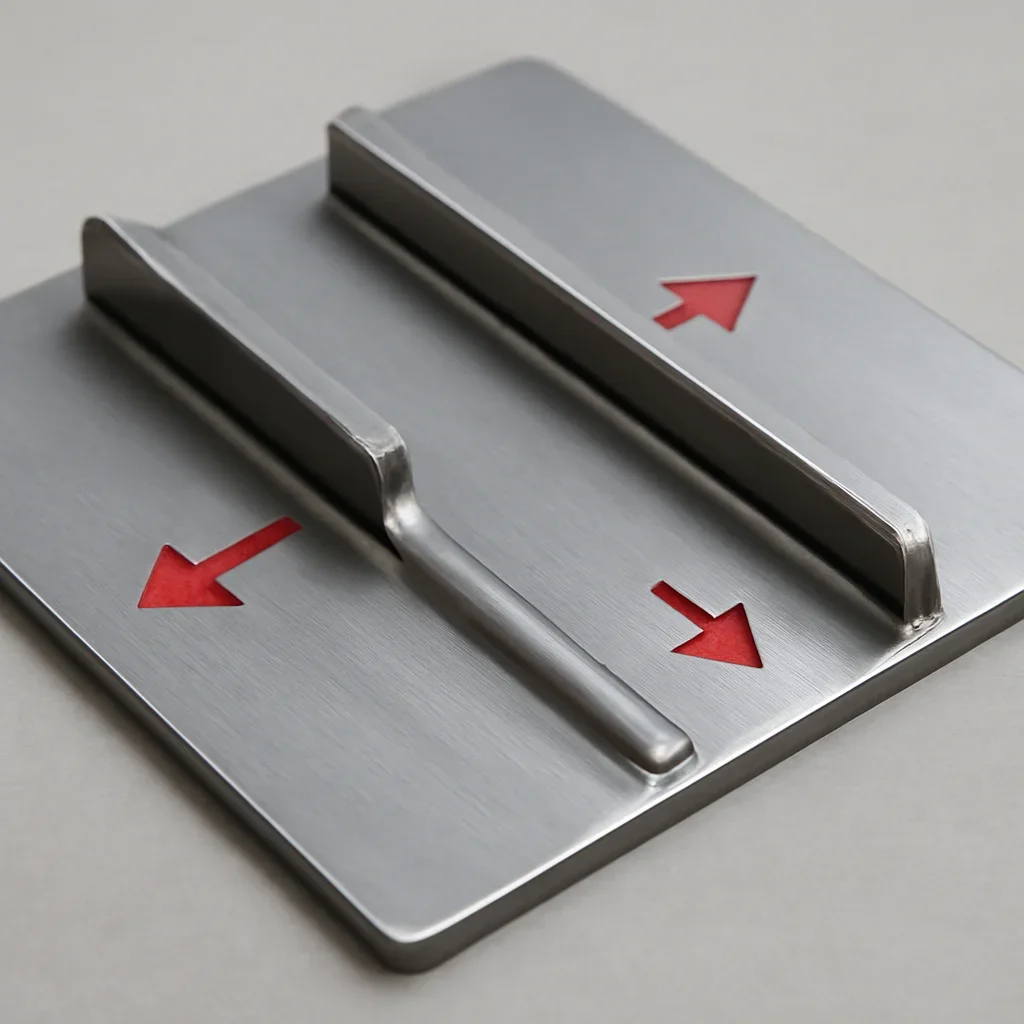
Close view of custom metal fabrication showing detailed welds, finish preparation and precise assembly
Improve pricing accuracy

Four steps that help turn an early budget into a useful quote

The goal is not to make every detail final before contacting the fabricator. It is to clearly separate known information from assumptions.

  1. Define the feature

    Identify what is being built, how it will be used and whether it is primarily structural, protective, decorative or a combination.

  2. Document the site

    Provide wide photos, close details, approximate measurements and information about access, surrounding finishes and construction stage.

  3. Clarify the finish level

    Share material preferences, colour or sheen direction, exposed weld expectations and interior or exterior conditions.

  4. Confirm responsibilities

    Identify who provides drawings, engineering, permits, site preparation, delivery access and installation.

What a quote may include

Compare quotes by scope, not only by the final number

Two proposals may appear to price the same feature while assigning different responsibilities for drawings, engineering, finishing, delivery or installation. A clear quote should explain what is included and what remains outside the fabrication scope.

  • Material type, grade and approximate quantities
  • Shop drawings or modeling responsibilities
  • Fabrication and visible-detail expectations
  • Surface preparation and finish system
  • Field measurement or site verification
  • Delivery, equipment and installation responsibilities
  • Engineering, permits or third-party services
  • Allowances, exclusions and change conditions
Pricing questions

Custom metal fabrication cost FAQs

Direct answers for Seattle-area homeowners, architects, builders and commercial property teams budgeting custom metalwork.

Why do custom metal fabrication prices vary so much?

Prices vary because dimensions, materials, geometry, connections, finish quality, drawings, engineering, access and installation responsibilities differ from project to project.

Can I get a price from a photo?

A photo can support an early discussion, but it rarely shows all dimensions, connections, materials, site conditions or installation requirements. Additional information is normally needed before formal pricing.

Is custom metalwork priced by the linear foot?

Linear-foot pricing may be useful for limited comparisons, but it can be misleading for custom work. Corners, posts, transitions, connections, gates, stairs, finish requirements and installation conditions may significantly change the scope.

Does stainless steel cost more than regular steel?

Material cost is only part of the difference. Stainless steel may also involve grade selection, specialized handling, welding, surface finishing and cleaning requirements. The full assembly should be compared rather than material price alone.

Do drawings add to the fabrication cost?

Drawing and modeling work can add to the initial scope, but clear approved details can reduce uncertainty, improve coordination and help prevent expensive changes during fabrication or installation.

Does the Seattle project location affect pricing?

It can. Field verification, parking, access, delivery routes, occupied-building restrictions, equipment needs and installation conditions may influence the final scope.

What is the fastest way to receive useful pricing guidance?

Send the project address, metalwork type, photographs, drawings or sketches, approximate dimensions, material and finish preferences, target timing and expected installation scope.

Can pricing change after the initial quote?

Pricing may change when dimensions, drawings, materials, finishes, engineering requirements, site conditions or installation responsibilities change after the original scope was prepared.

Get project-specific pricing

Share the details that shape your custom metalwork quote

Send the project location, feature type, photos, drawings, approximate dimensions, material direction and current construction stage. We will review the available information and identify what is still needed for useful pricing.

Early-stage enquiries are welcome. Formal pricing may require confirmed dimensions, drawings, material decisions and site responsibilities.

Custom metal fabrication pricing consultation with drawings, finish samples and project measurements